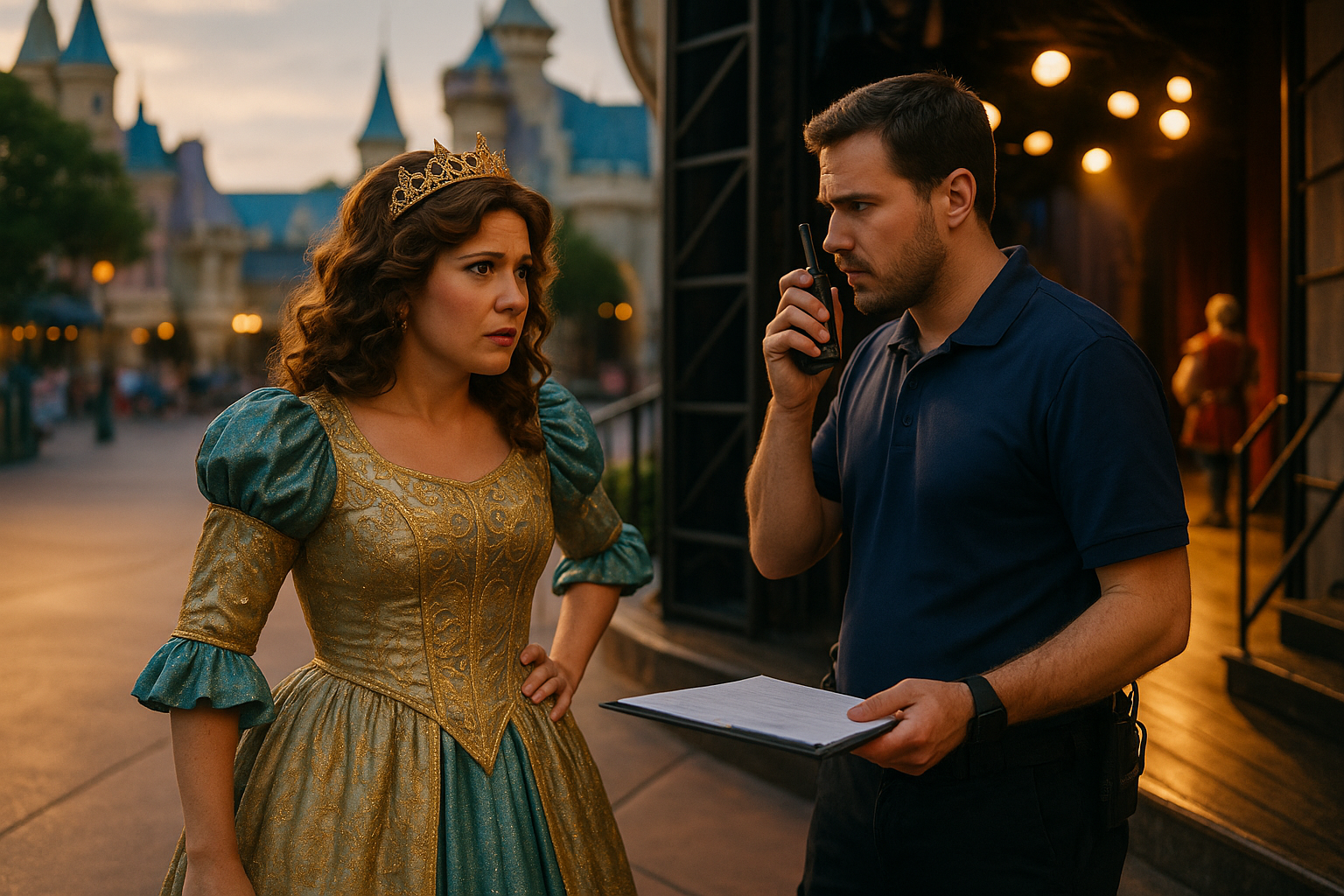
When a Show Runs Late: Protecting the Next Performance in Theme Park Entertainment
In theme park entertainment, one delayed performance can affect much more than the guests waiting at one venue. A late parade unit, extended meet-and-greet, costume issue, technical adjustment, or performer delay can create pressure on the next cast, backstage teams, operations leaders, and guest-facing employees.
The challenge is not simply getting the current performance back on schedule. Entertainment teams also need to protect the next performance from inheriting incomplete preparation, missing equipment, rushed performers, or unclear information.
That requires more than moving quickly. It requires knowing what must happen immediately, what can wait, and who needs accurate information before the next show begins.
Start by Separating the Delay From the Risk
When a performance runs late, the first instinct may be to focus entirely on the lost time. A better approach is to identify what the delay could affect.
Ask practical questions such as:
- Is the next performance still expected to begin on time?
- Are performers, technicians, or support staff being pulled into two responsibilities at once?
- Will costumes, props, or equipment be available when the next team needs them?
- Has the performance area changed because guests are still gathered?
- Does another department need to know about the schedule adjustment?
A five-minute delay may be manageable if the next team is prepared. A smaller delay can become a larger operational problem if it leaves a performer without the correct costume piece, sends a technician to the wrong location, or creates conflicting instructions.
Protect the Next Call Time
Entertainment schedules often include more than the moment a performer appears in front of guests. There may be preparation, costume changes, makeup, warmups, equipment checks, transportation between locations, or backstage briefings. When one activity runs late, those steps can disappear quickly.
Teams should identify the next non-negotiable preparation point rather than focusing only on the published performance time. If a performer needs to be in costume and ready before entering a location, that preparation deadline matters just as much as the start of the show.
Use the Most Direct Communication Path
During a schedule disruption, information should reach the people who can act on it. A vague message such as “The show is behind” does not tell the next team what to do.
A more useful update might include:
- What is delayed
- Which performance or location is affected
- What has already been completed
- What remains outstanding
- Whether the next performance is expected to change
- Who is coordinating the adjustment
Employees should use the communication methods and escalation channels established by their employer. The goal is not to send more messages. It is to send the right information to the right people before assumptions begin to spread.
Do Not Let Backstage Details Become Guest-Facing Problems
Guests do not need to see every operational challenge behind a performance, but they may notice the results. A delayed start, an empty performance area, a missing character, or an unexpected change in the experience can create questions quickly.
Guest-facing employees should receive information they can communicate accurately without speculating. If the schedule is still being evaluated, it is better to provide a clear but limited update than to promise a start time that has not been confirmed.
For example, “The performance is being adjusted, and the team will provide an update as soon as the next start time is confirmed” is more reliable than giving guests a guess based on incomplete backstage information.
This is especially important when several employees are answering questions at once. Consistent language helps prevent one guest from receiving a completely different explanation from another employee nearby.
Keep Costumes, Props, and Equipment Moving Intentionally
Schedule pressure often exposes weak backstage organization. A costume piece may be left in the wrong location, a prop may still be with the previous cast, or a technical item may need to be checked before it can be used again.
When time is limited, avoid relying on memory. Confirm where key items are and who is responsible for moving them. A quick verbal check can prevent the next performer or technician from discovering a problem moments before a call.
Useful questions include:
- Has the item been returned from the previous performance?
- Does it need inspection, cleaning, charging, or adjustment?
- Is it being used by another performer or production team?
- Does the next person know where to find it?
- Is there an approved alternative if the item is unavailable?
Employees should never improvise with costumes, props, or technical equipment in a way that conflicts with training or safety expectations. Speed is valuable, but it cannot replace proper procedures.
Know When to Stop Trying to Preserve the Original Plan
Some delays can be absorbed. Others require a revised plan. Entertainment employees can help leaders make that decision by providing accurate information instead of insisting that the original schedule must continue at any cost.
A revised plan may be necessary when:
- Preparation time has become too short for a safe or professional performance
- A required performer, technician, costume, or prop is unavailable
- The performance area is still occupied or unsuitable
- Several scheduled activities are now competing for the same resources
- Guest communication needs to happen before the next start time
Changing the plan is not the same as failing. In many cases, making a clear adjustment early gives the team more control than waiting until the last possible moment.
Build a Recovery Routine for the Next Performance
After the immediate issue is addressed, the team should reset deliberately. A short recovery routine can help everyone return to the same understanding.
Before the next performance, confirm:
- The updated schedule or start expectation
- Performer and technician readiness
- Costume and prop availability
- Any changes to the performance area
- Guest-facing information that has already been shared
- Who is watching for additional issues
The final item is easy to overlook. After a delay, employees may concentrate so heavily on starting the next performance that they stop monitoring the condition that caused the disruption. Assigning follow-up helps prevent the same problem from repeating later in the day.
Why This Skill Matters for an Entertainment Career
Employees who remain organized during a delayed performance demonstrate skills that extend well beyond entertainment. They practice prioritization, concise communication, situational awareness, teamwork, and decision-making under pressure.
Those skills can support future opportunities as a performer, character attendant, technician, coordinator, trainer, stage manager, supervisor, or production leader. Leaders notice employees who protect the next team, communicate without creating confusion, and understand how backstage decisions affect the guest experience.
A successful entertainment operation is not defined by never experiencing a delay. Delays are part of live performance. The stronger measure is how professionally the team responds, how clearly it communicates, and whether it gives the next performance a fair chance to succeed.
ThemeParkConnections.com gives people working throughout the theme park and attractions industry a place to connect with other professionals, share experiences, learn about different departments, expand their networks, and discover career opportunities. For entertainment employees, those connections can provide insight into performance operations, production work, technical roles, and career paths that may not be visible from one venue or department.
When a show runs late, the best response is not simply to rush. It is to protect the people, equipment, information, and preparation that make the next performance possible.