The Ten Minutes Before Opening: A Food and Beverage Readiness Check That Prevents a Chaotic Rush
In a theme park restaurant, the first guest of the day can arrive before the team feels fully ready. A delivery may still be waiting to be put away, a register may need attention, or one station may be missing a key item. Once the doors open, there is rarely enough time to solve every problem calmly.
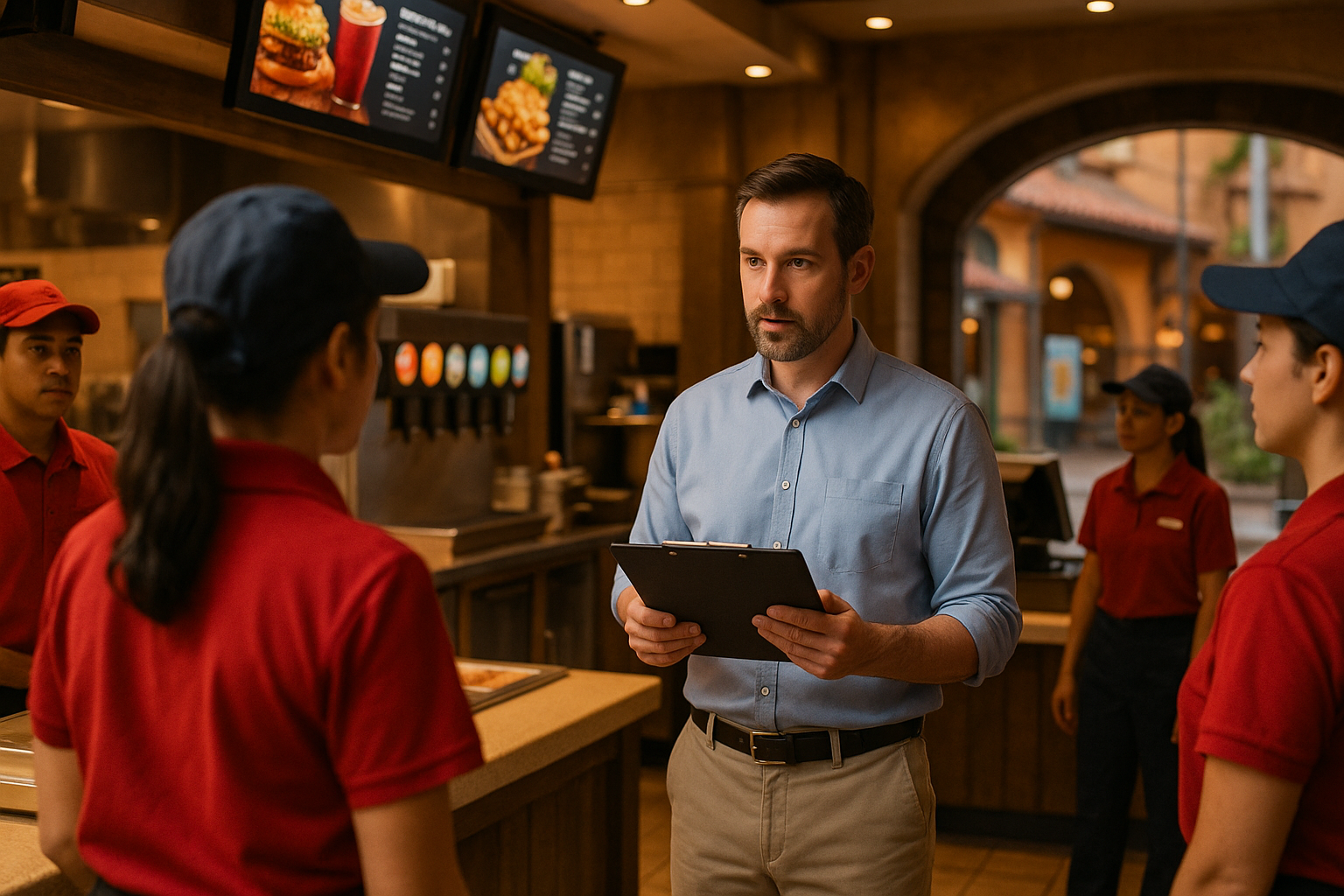
That makes the final ten minutes before opening especially valuable. A focused pre-opening check can prevent avoidable delays, reduce pressure during the first rush, and help the entire food and beverage team begin service with the same understanding of what is ready, what is limited, and what still needs attention.
This is not about rushing through a checklist. It is about identifying the few details most likely to affect safety, speed, product availability, and guest communication.
Start With the Guest’s First Five Minutes
A useful opening check begins by imagining the first guest interaction. What will the guest see, ask for, or expect immediately after entering the location?
For a quick-service restaurant, that may include:
- A clear entrance and understandable queue path
- Menus or ordering screens that match the products currently available
- Open registers or ordering points ready for use
- Popular items prepared according to the location’s operating plan
- Condiments, utensils, napkins, and beverage supplies available where guests need them
- A team member who knows how to explain any temporary limitation
This guest-focused approach helps employees notice problems that might be missed when they look only at their individual station. A kitchen employee may know that an item is unavailable, while the cashier has not yet received that information. A dining room attendant may see that the condiment station is empty, while the rest of the team is focused on production.
Opening readiness depends on connecting those observations before the doors become busy.
Check the Items That Can Stop Service
Not every unfinished task has the same operational impact. During the final minutes before opening, prioritize anything that could prevent the location from serving guests safely or efficiently.
Confirm the essential equipment
Employees should know which equipment or systems are essential to their location’s operation and confirm that the appropriate person has addressed any issue. This may include registers, beverage equipment, warming equipment, refrigeration, cooking stations, communication devices, or service-area technology.
Employees should not attempt repairs or adjustments outside their training. The important skill is recognizing a problem early, communicating it clearly, and understanding who needs to be notified.
A vague statement such as “the equipment is acting strange” may not help the next person respond. A more useful report identifies the location, the visible issue, and when it occurred. For example: “The beverage dispenser at the counter is not dispensing one flavor, but the other selections are working.”
Verify high-demand products
The opening team does not need to predict every guest choice, but it should identify products that are likely to create immediate pressure. These may include breakfast items, signature beverages, popular snacks, specialty desserts, or products connected to a scheduled event or seasonal promotion.
If a high-demand item is limited, the team should agree on how to communicate that information. Guests should not receive three different answers from three different employees.
A simple pre-opening conversation can clarify:
- Which items are ready for service
- Which items may have a delayed availability
- What approved alternatives can be offered
- Who should be contacted if the situation changes
Make the First Rush Easier for the Team
Opening preparation is also an opportunity to reduce unnecessary movement. During a rush, employees lose time when they have to leave their position to search for basic supplies or ask questions that could have been answered before service began.
Stage the supplies people use repeatedly
High-use supplies should be easy to locate and replenished before guests arrive. Depending on the operation, that could include cups, lids, wrappers, trays, receipt paper, gloves, cleaning materials, or packaging.
The goal is not to overstock every station. Excess supplies can create clutter and make cleaning more difficult. Instead, employees should stage enough for the expected opening period and know where additional supplies are stored.
This is especially helpful when a restaurant has multiple service points. If one register runs out of receipt paper while another has a line, an employee who knows exactly where the replacement is can solve the problem quickly without creating confusion.
Look at the guest path, not just the work area
Food and beverage employees naturally focus on counters, kitchens, and registers. Before opening, take a brief look at the entire guest path.
Ask:
- Can guests tell where to enter and where to order?
- Is the queue blocking another service point?
- Are tables, counters, and pickup areas ready?
- Is anything on the floor likely to create a trip or congestion issue?
- Can guests easily find napkins, utensils, condiments, or beverage stations?
A small obstruction may not matter when the location is empty, but it can become a serious bottleneck once guests, strollers, mobility devices, and team members are moving through the same space.
Use a Short Team Briefing
The final pre-opening conversation does not need to become a long meeting. In many locations, a concise briefing is more effective because employees can remember and apply the information immediately.
A useful briefing can cover four areas:
- What is ready? Confirm that the team knows the location’s service status.
- What is limited? Identify unavailable products, equipment concerns, or supply restrictions.
- What is expected? Review known peak periods, nearby events, group arrivals, or other conditions that may affect volume.
- Who needs to know? Clarify escalation points and who is responsible for communicating changes.
Employees should leave the briefing knowing what they are responsible for and what information they should share if conditions change. A strong briefing creates alignment without overwhelming the team with details that do not affect the opening period.
Common Opening Mistakes
Waiting until guests discover the problem
If a product is unavailable, a register is unreliable, or a service area is not ready, hoping the issue will resolve itself usually creates a more difficult guest interaction later. Early communication gives leaders and coworkers more options.
Assuming someone else handled it
Opening tasks can fall through when everyone believes another employee completed them. When a responsibility matters, confirm that it is done or clearly communicate that it remains pending.
Focusing only on speed
Moving quickly is not the same as being ready. Skipping necessary checks may save a few seconds before opening and cost much more time once service begins. The best preparation balances efficiency with accurate communication and safe work practices.
Giving different answers to guests
When employees have not discussed a limitation, guests may receive conflicting information about availability, wait times, or alternatives. A short team alignment before opening helps prevent that confusion.
Turn Opening Readiness Into a Career Skill
Employees who consistently notice operational details before they become guest-facing problems build a valuable reputation. They show awareness beyond their individual station and demonstrate that they understand how one part of a restaurant affects the rest of the operation.
Those habits can support future opportunities as a trainer, coordinator, lead, supervisor, or manager. The skill is not simply completing a checklist. It is learning to prioritize, communicate clearly, and help a team begin service with fewer surprises.
The ten minutes before opening may be quiet compared with the rush that follows, but they are part of the operation’s foundation. A prepared team can serve guests more confidently, respond to changes more calmly, and protect the experience for both customers and coworkers.
Build Your Theme Park Industry Network
Food and beverage professionals learn a great deal by comparing experiences across restaurants, parks, resorts, and event operations. ThemeParkConnections.com gives people working throughout the theme park and attractions industry a place to connect with other professionals, share experiences, learn about different departments, discover career opportunities, and expand their network.
Whether you work in a high-volume quick-service location, resort dining, catering, culinary production, or another park operation, connecting with people across the industry can help you discover new paths and build a stronger professional future.