The Quiet Work Behind Every Theme Park Entertainment Changeover
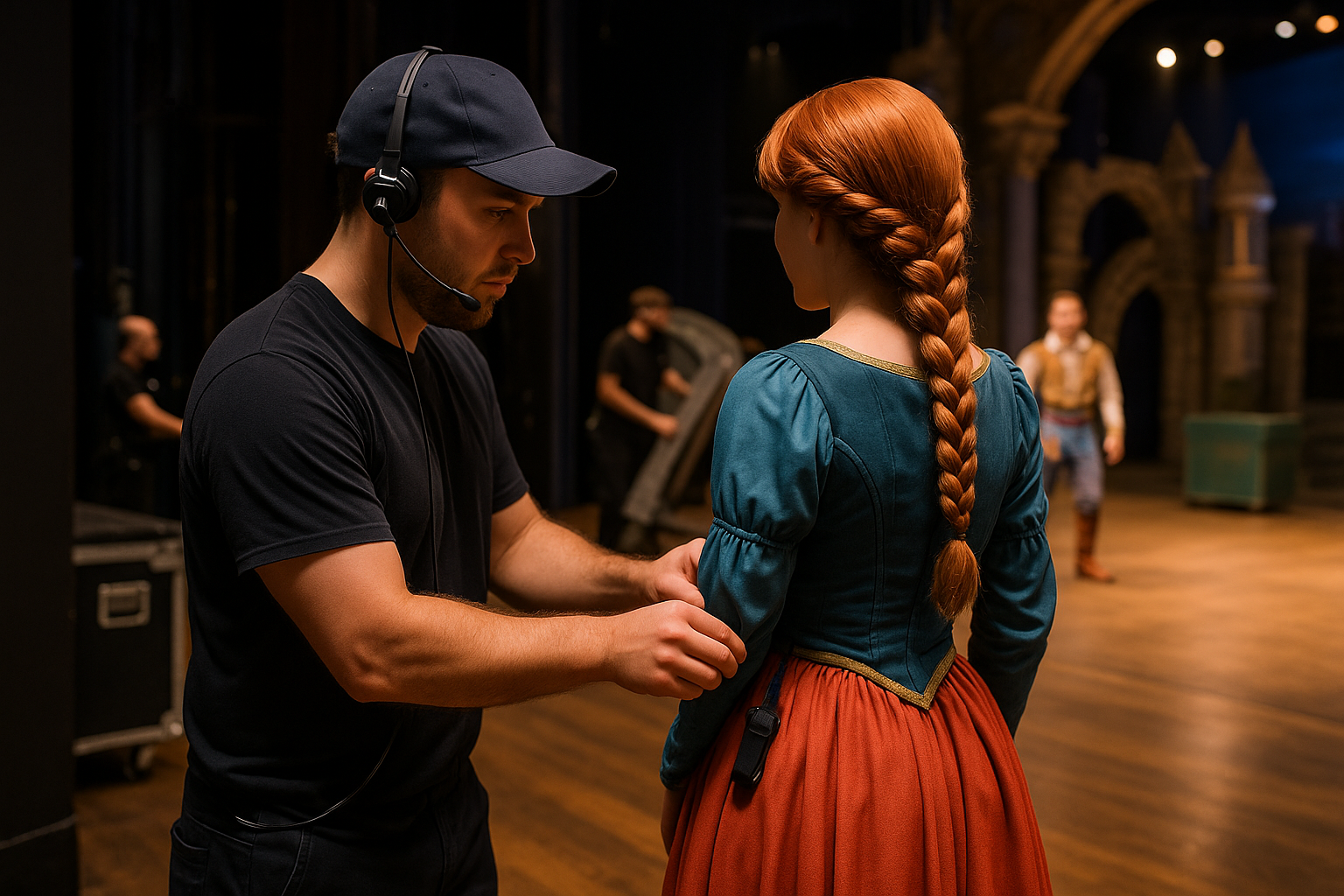
Guests usually notice a theme park show when the music starts, the performers take the stage, or a parade unit moves into view. They rarely see what happens between performances: props being reset, costumes being checked, microphones being exchanged, scenery being moved, and the performance area being prepared for the next audience.
That work is often handled by entertainment operations teams, stage technicians, wardrobe employees, production staff, and performers working together on tight timelines. A successful changeover may last only a few minutes, but it depends on preparation, communication, and a clear understanding of who is responsible for every detail.
For anyone working in theme park entertainment—or hoping to enter the department—learning how changeovers function can build valuable skills in teamwork, timing, problem-solving, and operational awareness.
What Is an Entertainment Changeover?
An entertainment changeover is the process of preparing a performance space, production element, or cast for the next scheduled presentation. The exact work varies depending on the venue and show, but it may include:
- Removing props or scenic pieces from the previous performance
- Resetting furniture, set pieces, or interactive elements
- Checking microphones, speakers, lighting, and other technical equipment
- Refreshing or replacing consumable show materials
- Coordinating performer entrances and exits
- Moving costumes or accessories between locations
- Inspecting the performance area for hazards or guest-related debris
- Communicating readiness to operations or production leadership
Some changeovers are highly visible, such as resetting a stage during a live event. Others happen entirely backstage or in a remote storage area. In both cases, the objective is the same: make sure the next performance can begin safely, professionally, and on schedule.
Why Timing Matters in Theme Park Entertainment
Entertainment schedules are often built around guest expectations, park hours, dining reservations, transportation patterns, and other live offerings. If a show begins late, the effect can spread beyond the performance itself. Guests may miss a second experience, cast members may lose preparation time, or the next scheduled presentation may need to be adjusted.
That does not mean employees should rush carelessly. The best changeovers are efficient because the team has prepared in advance—not because people are cutting corners.
A strong changeover balances three priorities:
- Safety: Employees must have enough time and space to move equipment, inspect the area, and address problems.
- Quality: The next audience should experience a complete and polished presentation.
- Reliability: The team should be able to repeat the process consistently throughout the day.
When the process works well, guests may never realize a changeover took place. That invisibility is often a sign of excellent entertainment operations.
The Importance of a Clear Reset Plan
Every member of a changeover team should understand what “ready” looks like. A reset plan may include a checklist, a diagram, a verbal briefing, or a combination of methods. It should answer practical questions such as:
- Where does each prop or piece of scenery belong?
- Which items need to be inspected before they are used again?
- Who moves equipment, and who verifies the final placement?
- What needs to be communicated to performers?
- What happens if an item is missing, damaged, or out of position?
- Who has authority to delay or modify the next performance?
New employees sometimes assume they can learn a reset simply by watching someone else. Observation is useful, but it should be followed by guided practice. A small misunderstanding—such as placing a prop on the wrong side of the stage—can create confusion for performers or technicians during the next presentation.
Use Consistent Names for Equipment
Communication becomes easier when the team uses the same names for props, storage areas, and technical positions. “The blue case near the door” may make sense to one employee but not another. A consistent department vocabulary reduces delays, especially when employees are working in dim areas, during loud events, or under time pressure.
Communication During a Changeover
Entertainment teams often work around music, crowds, radios, machinery, and multiple departments. Communication must be brief and specific. Employees should avoid unnecessary radio traffic while still sharing information that affects safety or readiness.
Useful communication usually includes:
- What has been completed
- What remains outstanding
- Whether a problem affects the next performance
- Where assistance is needed
- Whether the performance area is clear
For example, saying “The stage is almost ready” leaves room for uncertainty. A clearer update might be: “Scenery is reset, but the handheld microphone is still being checked. We are not ready for performer entrance yet.”
This type of communication helps supervisors and fellow employees make informed decisions. It also prevents a common operational problem: several people assuming someone else has handled the final task.
Handling Problems Without Creating More Problems
Changeovers rarely go exactly as planned. A prop may not be where it should be. A costume piece may need repair. A microphone may not function correctly. Guests may remain in an area that needs to be cleared, or weather may affect an outdoor performance space.
The first step is to identify whether the issue is cosmetic, operational, or safety-related. A minor appearance issue may have one solution, while a damaged piece of equipment may require the performance to be changed or paused.
Use the Right Escalation Path
Employees should not quietly improvise a solution if the change could affect performers, guests, or equipment. Instead, notify the appropriate lead, supervisor, technician, or production contact. Share the facts clearly:
- What happened
- What equipment or area is affected
- What has already been checked
- How soon the next performance is scheduled
- Whether there is an immediate safety concern
This approach allows the person responsible for the operation to decide whether to repair, replace, remove, or adapt the affected element.
One of the most valuable habits in entertainment work is knowing the difference between solving a problem and hiding a problem. A temporary fix that has not been communicated can create a larger issue during the performance.
Developing Skills Through Changeover Work
Employees who become highly effective at changeovers often develop skills that transfer into many other theme park roles. They learn to prioritize tasks, notice small inconsistencies, communicate under pressure, and coordinate with people who have different responsibilities.
Those skills can support future opportunities in:
- Entertainment operations
- Stage management
- Production coordination
- Technical services
- Show quality or standards
- Event operations
- Team leadership
- Training and onboarding
Employees can strengthen these skills by learning the entire process rather than focusing only on their assigned task. Understanding how wardrobe, performers, technicians, and operations depend on one another makes it easier to anticipate problems and offer useful support.
What Experienced Entertainment Employees Notice
Strong changeover employees are often recognized for habits that seem small but make a significant difference. They arrive prepared, keep equipment organized, return items to their designated locations, and report concerns before they become urgent.
They also pay attention to the condition of the work area. A loose cable, obstructed pathway, spilled liquid, or misplaced case can affect more than appearance. It can interfere with movement, create a hazard, or delay the next presentation.
Professionalism matters backstage as well. Employees should respect quiet areas, protect confidential production information, avoid unnecessary distractions, and remember that performers and technicians may be preparing for a demanding presentation. A calm, organized backstage environment helps everyone perform better.
Building a Career Beyond the Spotlight
Theme park entertainment offers far more career paths than performing onstage. Changeover work provides an introduction to the operational side of live entertainment, where preparation and consistency are just as important as what the audience sees.
For employees interested in learning about these opportunities, ThemeParkConnections.com offers a place to connect with other professionals throughout the theme park and attractions industry. Members can share experiences, expand their professional networks, learn about different departments, discover career opportunities, and build relationships that extend beyond their current role or seasonal position.
The next time a show begins exactly on schedule, remember that the performance may have started long before the audience arrived. Behind every polished presentation is a team that knows how to reset the space, communicate clearly, solve problems, and prepare for the next cue.