Before the Audience Arrives: Building a Reliable Pre-Show Routine in Theme Park Entertainment
A successful theme park performance begins long before the first guest finds a viewing spot. By the time a parade steps onto its route, a character meets the first guest, or a stage show reaches its opening cue, dozens of small details may already have been checked, adjusted, and communicated.
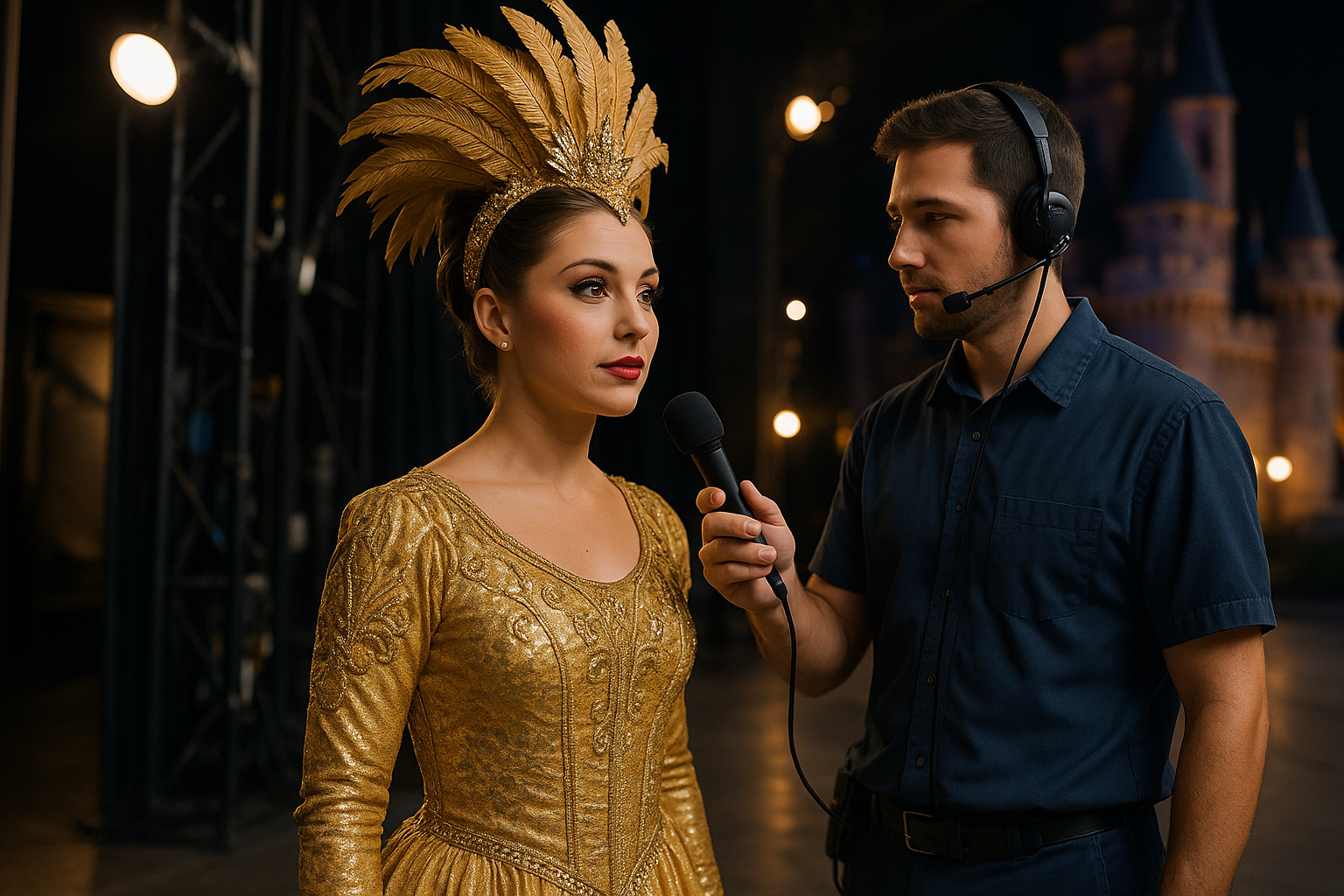
For entertainment employees, the pre-show period is where readiness is built. Performers, technicians, wardrobe teams, makeup artists, production staff, and leaders all contribute to an experience that guests may see as effortless. When the preparation is rushed or incomplete, the effects can appear quickly: a missing prop, an uncomfortable costume, a delayed entrance, or a performer who is not physically ready for the demands of the shift.
A dependable pre-show routine helps entertainment teams protect safety, consistency, professionalism, and guest experience without relying on last-minute heroics.
Start With the Day’s Conditions
No two performance days are exactly alike. The schedule may look familiar, but the operating conditions can change because of weather, special events, staffing, construction, technical adjustments, or unusually high attendance.
Before preparing for a performance, employees should understand what is different about the day. That may include:
- Changes to performance times or locations
- Modified routes, entrances, or backstage access points
- Outdoor conditions such as heat, rain, wind, or cold
- Special event requirements or additional performances
- Costume, makeup, prop, or technical changes
- Known limitations affecting the performance environment
The goal is not to create anxiety by focusing on every possible problem. It is to make sure the team begins with the same information. A performer who knows that an entrance has changed can plan appropriately. A technician who knows about a timing adjustment can prepare the right cue. A wardrobe employee who understands the day’s schedule can help manage faster changes between appearances.
Prepare the Performer, Not Just the Costume
Entertainment work often requires physical and vocal effort, even when the final performance appears relaxed. A pre-show routine should allow performers time to prepare their bodies, voices, focus, and equipment.
Use Warm-Up Time Intentionally
A warm-up does not need to be complicated to be useful. Depending on the role, it may include gentle movement, stretching, breathing exercises, vocal preparation, or a review of choreography and blocking. The important point is consistency. Employees should avoid waiting until the last possible moment and then attempting to prepare while already under time pressure.
Performers should also pay attention to changes in their own condition. Fatigue, soreness, dehydration, or vocal strain can affect performance quality and safety. Raising a concern early gives leadership more options than reporting it after a performance has already begun.
Check Comfort and Mobility
A costume can look correct and still create problems when a performer moves, dances, sits, waves, or interacts with guests. Before leaving the dressing or backstage area, check whether shoes, fasteners, accessories, headpieces, and other costume elements are secure and comfortable enough for the assigned activity.
Small issues are easier to correct before a performer enters a public space. A loose accessory, uncomfortable seam, or restricted movement may become distracting once the shift is underway.
Build a Clear Costume and Makeup Check
Costume and makeup teams work under time pressure, but speed should not replace accuracy. A useful pre-show check confirms that the performer is ready for the specific appearance rather than simply dressed.
That check may include:
- Correct costume pieces and accessories
- Secure closures, fasteners, and footwear
- Required props or personal performance equipment
- Makeup, hair, masks, or headpieces appropriate for the role
- Visibility, hearing, movement, and comfort concerns
- Any items needed for a quick change or later appearance
Employees should communicate clearly when something is missing or does not fit correctly. Avoid assuming that another person has already noticed the issue. In a busy backstage environment, multiple teams may each believe someone else is responsible for the final check.
At the same time, concerns should be communicated professionally. A calm, specific statement such as “The left shoe is slipping during movement” gives the team something actionable. A vague comment such as “This does not feel right” may require several follow-up questions when time is limited.
Know the Show Before You Enter the Space
Entertainment employees often work in environments where timing matters. A stage performance may depend on technical cues, while a parade or roaming appearance may depend on route conditions, guest flow, and coordination with other teams.
Before reporting to a performance location, employees should understand the parts of the schedule that affect their role:
- Where and when they are expected to report
- Which entrance or route they will use
- Any timing changes or special cues
- Who to contact if an issue develops
- What to do if the performance area is not ready
This does not mean every employee needs to memorize information outside their responsibilities. It does mean that team members should know enough about the larger operation to avoid creating delays or confusion for others.
For example, a performer who arrives at a stage through an active technical work area may interrupt a setup or create an avoidable safety concern. A technician who does not know a performer is waiting nearby may miss an important communication. Awareness of the full process helps each department work with greater consideration.
Protect Backstage Focus
Backstage areas can become crowded and noisy, especially when multiple groups are preparing at the same time. Professional backstage etiquette helps everyone stay focused.
Useful habits include:
- Keeping walkways, exits, and work areas clear
- Using a voice level appropriate for the space
- Respecting costume, makeup, and preparation time
- Handling props and equipment only when authorized
- Reducing unnecessary distractions before a performance
- Reporting hazards instead of stepping around them silently
Backstage professionalism is not about making the environment overly formal. It is about recognizing that other employees may be concentrating, changing costumes, warming up, handling equipment, or waiting for a cue. A few considerate habits can prevent mistakes and reduce stress across the team.
What to Do When the Routine Breaks Down
Even strong preparation cannot eliminate every problem. A performer may discover a costume issue minutes before a show. A prop may be unavailable. A technical adjustment may change the timing. Weather or guest traffic may affect an outdoor appearance.
When something goes wrong, focus on clear communication rather than blame. Explain:
- What has happened
- How it affects the performance or team
- What has already been attempted
- What support or decision is needed next
Employees should use the appropriate communication channel and follow their employer’s established escalation process. Do not improvise a significant operational change simply because the performance is approaching. A short delay or adjustment is usually easier for a team to manage than a preventable problem that grows after the show begins.
Why Pre-Show Discipline Helps Your Career
Reliable preparation is one of the most transferable skills in the attractions industry. It demonstrates organization, awareness, accountability, and respect for other departments. Those qualities matter for performers, technicians, trainers, coordinators, supervisors, and production leaders.
Employees who consistently arrive prepared also become easier to trust with more complex responsibilities. They are more likely to notice patterns, identify risks early, support newer team members, and communicate effectively when conditions change.
The strongest entertainment operations are rarely held together by one person saving the day. They depend on teams that prepare carefully, communicate honestly, and understand how individual responsibilities contribute to the complete guest experience.
ThemeParkConnections.com gives people working throughout the theme park and attractions industry a place to connect with other professionals, expand their networks, share experiences, learn about different departments, discover career opportunities, and build connections across the field. For entertainment employees, those conversations can offer practical insight into performance operations, backstage work, production roles, and career paths that may not be visible from one position.