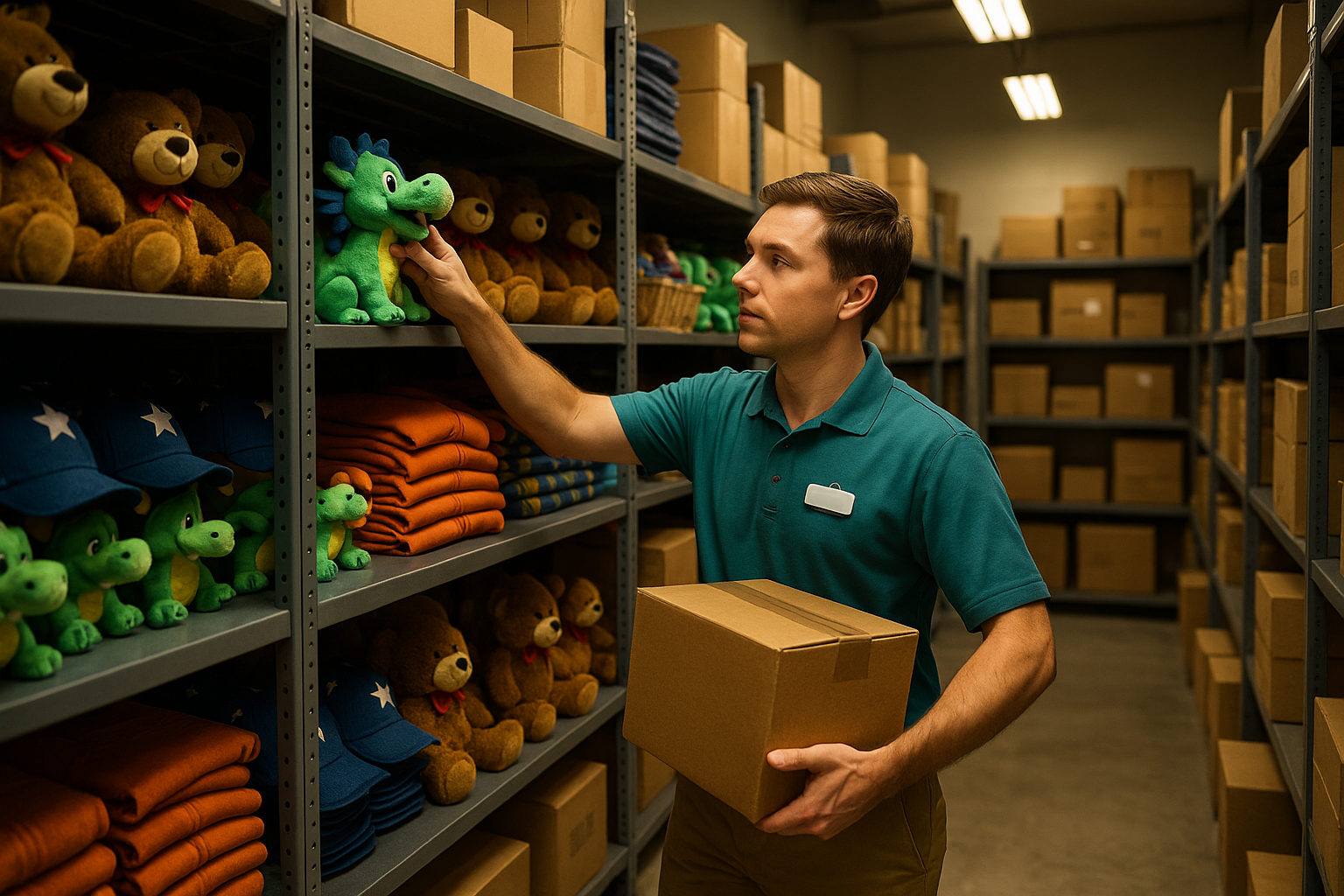
The Stockroom Is Part of the Guest Experience
Guests may never see a merchandise stockroom, but the work happening behind that door can shape their entire park visit. A popular item that is unavailable, a display that cannot be replenished, or a delivery that arrives in the wrong location can affect sales, employee workload, and guest satisfaction within minutes.
For retail employees, stockroom operations are more than a series of tasks between sales-floor interactions. Receiving, organizing, replenishing, counting, and communicating inventory all require attention to detail. Strong stockroom habits help a retail location stay ready for changing demand, especially during opening rushes, special events, holidays, and major new product launches.
Why Stockroom Accuracy Matters in Theme Park Retail
Theme park retail often operates in a fast-moving environment. Merchandise trends can change during the day based on weather, attendance, entertainment schedules, character appearances, attraction openings, or a limited-time event. A location that sells little of one product in the morning may run out of another item before the afternoon crowd arrives.
When inventory information is inaccurate, employees lose time searching for products that are not actually available. Guests may receive conflicting answers from different team members. Leaders may reorder items unnecessarily or miss an opportunity to move available merchandise from a stockroom to the sales floor.
Accurate stockroom work supports several parts of the operation:
- Guest service: Employees can give clearer, more reliable answers about product availability.
- Sales: Popular merchandise is more likely to remain available during peak periods.
- Efficiency: Team members spend less time searching through disorganized boxes and shelves.
- Safety: Clear pathways and stable storage reduce avoidable workplace hazards.
- Team communication: Sales-floor employees, stock associates, and leaders can make decisions using the same information.
Build a Stockroom That Works Under Pressure
A stockroom does not need to look perfect at every moment, especially during a busy operating day. It does need to be logical. Employees should be able to locate common products quickly, identify what has arrived recently, and recognize which areas require attention.
Give Products a Consistent Home
Group merchandise in a way that makes sense for the location. Depending on the operation, products may be organized by item type, collection, size, character, price range, or sales-floor placement. The exact system may vary, but consistency matters more than personal preference.
If one employee stores a product wherever there is open space, the next employee may not know where to look. A few minutes saved during put-away can create much more time-consuming searches later. When a product needs to be relocated, communicate the change rather than assuming everyone will discover it naturally.
Keep High-Demand Items Easy to Reach
Products that need frequent replenishment should not be buried behind slow-moving merchandise. If a particular sweatshirt, plush item, souvenir, or event product is requested throughout the day, its location should allow employees to retrieve it efficiently without moving several other boxes.
This is especially useful during peak periods. A well-organized stockroom allows an employee to complete a quick replenishment run and return to the sales floor before a line of guests begins waiting for assistance.
Separate New Deliveries From Ready-to-Sell Inventory
New shipments may require counting, labeling, sorting, or other processing before they can be placed on the sales floor. Mixing unopened deliveries with merchandise that is ready for immediate use creates confusion and increases the chance of missed product.
Designate an area for incoming inventory and keep it clear enough for employees to work safely. Once products are processed, move them into their assigned locations rather than allowing delivery carts and boxes to become a permanent part of the stockroom layout.
Replenishment Is a Communication Skill
Retail replenishment is not simply a matter of noticing an empty shelf. Employees must often determine whether the item is temporarily out of stock, stored in another location, waiting to be processed, or unavailable for the remainder of the day.
Good communication prevents unnecessary frustration. If an item cannot be found, share useful information with the sales-floor team and leadership:
- What product was requested?
- When was the stockroom last checked?
- Was the item seen in another location?
- Is there an unopened delivery that may contain it?
- Are similar products available as alternatives?
This information gives the next employee a clear starting point instead of requiring them to repeat the same search. It also helps leaders identify patterns, such as a product selling faster than expected or a recurring issue with deliveries and storage.
Common Stockroom Mistakes to Avoid
Leaving Items Wherever There Is Space
Temporary storage can become permanent surprisingly quickly. A box placed in an aisle or on the wrong shelf may remain there through several shifts, making the location harder to navigate. If an item must be staged temporarily, make the status clear and communicate when it should be moved.
Ignoring Partial Boxes
Partially opened boxes are easy to overlook. Employees may assume a product is unavailable because the main storage area appears empty, even though a few units remain in an opened carton nearby. Keep partial quantities visible and consolidated whenever possible.
Failing to Report Repeated Discrepancies
If the inventory count repeatedly does not match what is physically present, the issue should be communicated rather than silently corrected. Discrepancies may result from misplaced products, damaged items, unprocessed deliveries, or other operational problems. Reporting patterns helps the team investigate the cause.
Prioritizing Speed Over Safe Handling
A busy sales floor can create pressure to move quickly, but rushing while carrying boxes or reaching for merchandise can create unnecessary risk. Use appropriate lifting techniques, keep pathways clear, and ask for assistance when an item is awkward or too heavy to handle safely.
Make the Shift Handoff Useful
A strong handoff helps the next team understand the stockroom’s current condition. It does not need to be lengthy. Focus on information that will affect the next few hours of operation.
A useful handoff might include:
- Products that are nearly out of stock
- Deliveries that still need to be processed
- Items being held for a guest or department
- Merchandise moved to a temporary location
- Displays that need replenishment before a known busy period
- Inventory concerns that have already been reported to leadership
Specific notes are more helpful than vague comments such as “check the back.” A clear message like “The remaining event hoodies are on the lower shelf beside the unopened carton” saves time and reduces duplicate work.
Stockroom Skills Can Lead to Bigger Opportunities
Retail employees who become dependable in stockroom operations often develop skills that transfer into leadership, inventory control, merchandise planning, receiving, and logistics roles. Organization, prioritization, communication, and problem-solving are valuable far beyond a single store.
Pay attention to recurring patterns. Which products sell out first? When does replenishment become most difficult? Where do communication breakdowns occur? Employees who can identify those patterns and suggest practical improvements demonstrate operational awareness—an important quality for trainers, coordinators, and future leaders.
The next time you enter a stockroom, remember that the work done there is visible in ways guests may not recognize. A well-run stockroom helps employees answer questions, supports the sales floor, protects the guest experience, and keeps the entire retail operation moving.
Build Your Attractions Industry Network
Retail is only one part of the attractions industry, and many of the skills developed in merchandise operations connect with roles in food and beverage, hospitality, guest services, entertainment, maintenance, and leadership. ThemeParkConnections.com gives professionals throughout the industry a place to connect with colleagues, expand their networks, share experiences, learn about different departments, discover career opportunities, and build relationships across the attractions field.
Sometimes the next career opportunity begins with a conversation about the work happening behind the scenes—including the stockroom.