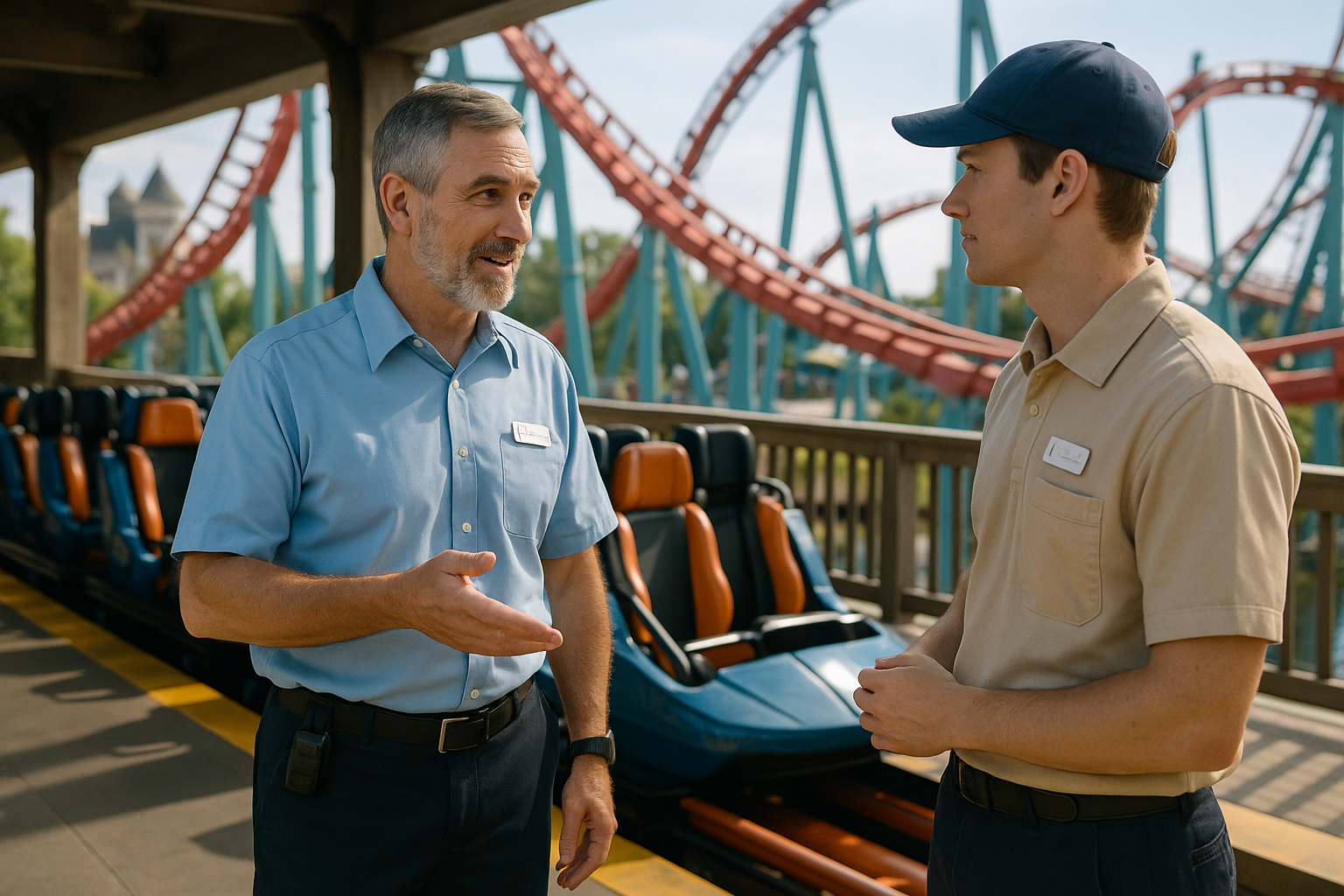
How to Find a Theme Park Mentor and Build Industry Connections That Matter
Breaking into the theme park industry is rarely about sending one application and waiting for an offer. Many opportunities develop through relationships with people who understand the work, know how departments operate, and can help you see career options you may not have considered. That is why finding a mentor in the theme park industry can be one of the most valuable steps you take.
A mentor cannot guarantee a job or bypass an employer’s hiring process. However, the right professional can help you understand attractions careers, prepare for future opportunities, and build the confidence to make informed career decisions. The key is approaching mentorship as a professional relationship—not as a request for special treatment.
Know What You Want to Learn Before Seeking a Mentor
“Will you be my mentor?” can feel like a big question, especially when you have never interacted with someone before. A more effective approach is to identify the specific knowledge you want to gain.
For example, you might want to learn:
- What a career path in theme park entertainment looks like behind the scenes
- How guest services experience can support a future operations role
- What skills are useful in attractions maintenance or technical production
- How professionals move from seasonal work into long-term industry careers
- What a typical day is like in marketing, events, food and beverage, or human resources
A clear learning goal helps you find the right person and makes your introduction more meaningful. Someone working in live entertainment may be an excellent resource for performance operations, but not necessarily for food safety or ride maintenance.
Where to Find Theme Park Industry Mentors
Mentors are not limited to executives or department leaders. A reliable mentor may be a coordinator, trainer, supervisor, technician, creative professional, recruiter, or former seasonal employee who has experience you hope to build.
Start with your existing network
Think about people you have already met through school, previous jobs, volunteer projects, attractions events, professional associations, or community groups. A former supervisor may know someone in park operations. A classmate may have completed an internship. A local event professional may understand entertainment production.
Ask for an introduction based on a specific topic rather than simply saying you are looking for work. For example: “I am learning more about theme park technical operations and would appreciate an introduction to someone who could explain the skills used in that area.”
Attend industry events with a plan
Networking events, trade shows, career fairs, and attractions conferences can create valuable conversations, but walking into a room without a plan can be intimidating. Before attending, choose two or three questions you genuinely want answered.
Good questions include:
- What experience helped you most when you started in the attractions industry?
- Which skills do new employees often underestimate?
- What is one part of your department that people outside it rarely understand?
- What should someone learn before pursuing this type of role?
Listen carefully and avoid turning every conversation into a request for a referral. Professionals are more likely to remember someone who showed curiosity about their work than someone who immediately asked about openings.
Make a Strong First Contact
Your first message should be brief, respectful, and specific. Mention how you found the person, what interests you about their experience, and what you hope to learn.
For example:
“Hello, Jordan. I saw your background in attractions operations and am exploring long-term careers in that area. I am especially interested in how employees develop strong guest-flow and safety skills. If you are open to it, I would appreciate 15 minutes to hear about your experience and any advice you would offer someone entering the field.”
This type of message gives the professional an easy way to respond and sets a reasonable time commitment. It also communicates that you are interested in learning, not asking them to secure employment for you.
Turn One Conversation into a Professional Relationship
A mentorship relationship usually develops gradually. After an initial conversation, send a short thank-you message that refers to something specific you discussed. If the person recommended a training course, book, portfolio project, or department to research, follow up after taking action.
For example, you might write: “Thank you for recommending that I study crowd-management procedures. I reviewed the material and now have a better understanding of how operations teams plan for busy periods. Your explanation of communication between frontline employees and supervisors was especially helpful.”
That kind of follow-up shows initiative. It also gives the mentor a reason to continue the conversation.
Keep requests focused
Instead of contacting a mentor every week with broad questions, bring one useful topic at a time. You could ask for feedback on how you are describing your guest-facing experience, advice on preparing for a seasonal role, or insight into the difference between front-of-house and backstage work.
Respect their schedule and preferred communication style. Some professionals may be comfortable with an occasional message, while others may prefer a scheduled conversation every few months. A sustainable relationship is better than constant contact that becomes difficult to maintain.
Be a Resource, Not Only a Person Seeking Help
Mentorship should not feel transactional, but every professional relationship benefits from mutual respect. You can contribute by sharing a relevant article, congratulating someone on a professional milestone, volunteering at industry events, or offering thoughtful support when appropriate.
If you work on a school production, hospitality project, community event, or guest-experience initiative, sharing what you learned may also help your mentor understand your interests and progress. You do not need seniority to be useful. Reliability, curiosity, and follow-through are valuable at every career stage.
Build Your Attractions Network with Theme Park Connections
Finding a theme park mentor becomes easier when you regularly connect with people who share an interest in the attractions industry. ThemeParkConnections.com helps aspiring and current professionals meet industry peers, exchange experiences, explore career paths, and build relationships across theme parks and attractions.
Join the community, introduce yourself, and participate in conversations about the work you hope to do. A thoughtful connection today could lead to better industry knowledge, a trusted professional relationship, or a clearer direction for your next career step.