How to Build a Theme Park Career Network Before You Have an Industry Job
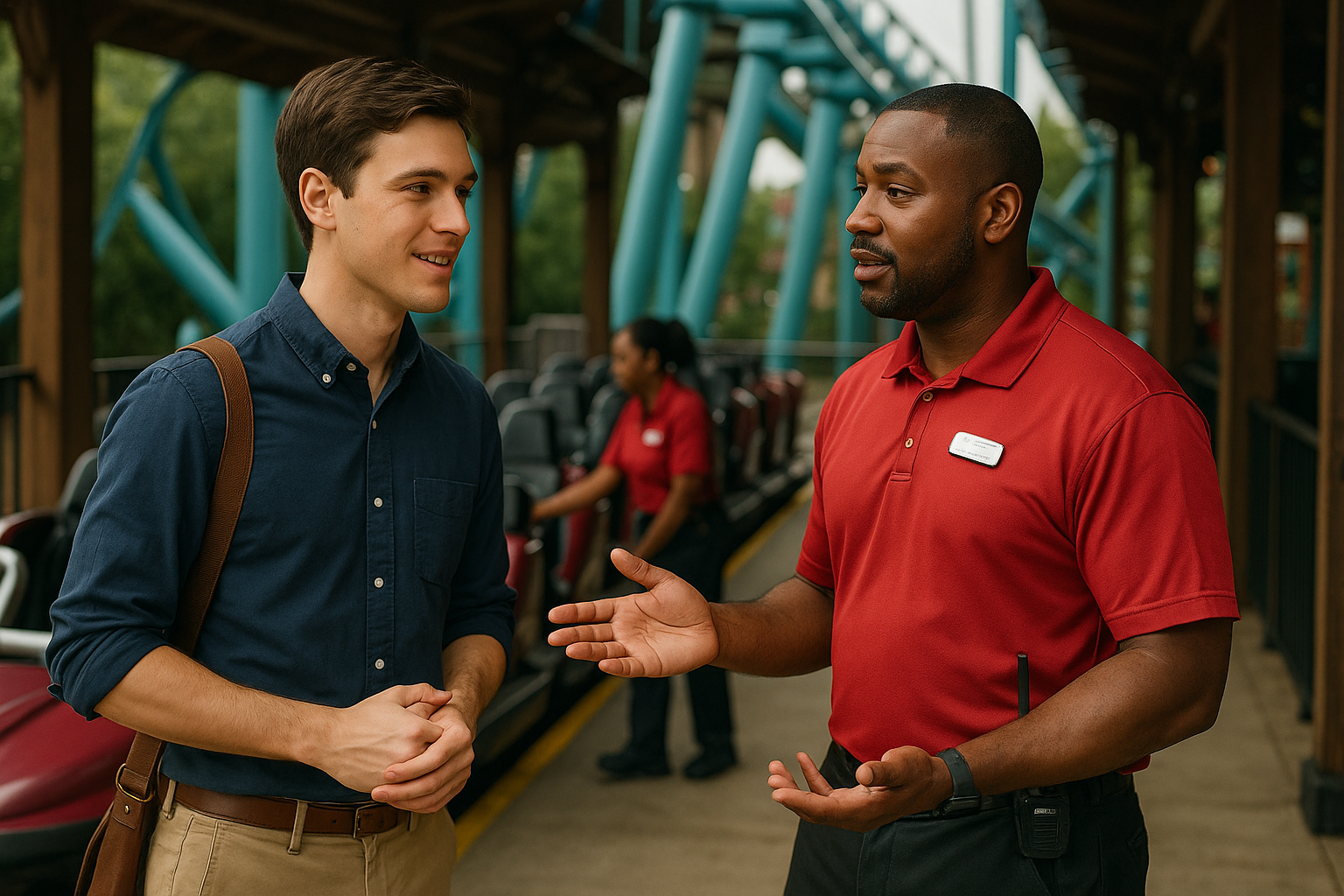
Breaking into the theme park industry is easier when people know what you can do, what interests you, and how seriously you approach your career. The challenge is that many aspiring attractions professionals do not yet have a large network of park operators, entertainment leaders, designers, recruiters, or vendors.
You do not need an existing industry job to start building those relationships. With a thoughtful approach, you can connect with theme park professionals, learn about different career paths, and become a familiar, credible name before you apply for your next opportunity.
Start With a Specific Theme Park Career Interest
“I want to work in theme parks” is a good starting point, but it is too broad for effective networking. The attractions industry includes guest services, live entertainment, ride operations, maintenance, food and beverage, retail, marketing, human resources, technology, project management, and many other specialties.
Choose one or two areas you want to understand better. For example, you might be interested in:
- Entertainment production and show operations
- Guest experience and park operations
- Attraction maintenance or engineering
- Marketing, communications, or social media
- Hospitality leadership and resort operations
- Technology used in rides, ticketing, or guest services
A specific focus helps you ask better questions and connect with professionals whose experience is relevant to your goals. You can still remain open to related roles, but having a direction makes your outreach more genuine and memorable.
Find Theme Park Professionals in Several Places
Industry networking does not happen only at large conferences. Start by looking for professionals through alumni networks, local business groups, attractions organizations, career events, volunteer projects, and online professional communities.
Search for people who work in roles connected to your interests rather than contacting only the most senior executives. A coordinator, technician, supervisor, cast member, designer, or project specialist may provide practical insight into the day-to-day work and the skills employers value.
Former employees can also be helpful. Someone who has moved from a theme park to a museum, resort, cruise line, zoo, event company, or themed entertainment supplier may offer a broader perspective on attractions careers.
Make Your First Message Easy to Answer
A networking message should be brief, respectful, and specific. The goal is not to ask a stranger for a job. Instead, invite a short conversation focused on their experience.
For example:
“Hello, Jordan. I am exploring careers in theme park entertainment operations and noticed your experience managing live shows. I am especially interested in how teams coordinate performers, technical departments, and guest-facing operations. If you are open to it, I would appreciate the opportunity to ask a few questions about your career path.”
This type of message works because it explains why you chose to contact the person and gives them a clear topic to consider. Avoid sending a long biography or attaching a resume unless they request one.
Ask Questions That Reveal the Work Behind the Experience
Theme park guests see the finished attraction, parade, show, restaurant, or resort experience. Professionals understand the planning and coordination behind it. Use your conversations to learn about that less visible work.
Useful questions for attractions professionals
- What responsibilities take up most of your time in a typical week?
- Which skills helped you move into your current role?
- What do people often misunderstand about this type of theme park job?
- Which related roles should someone with my interests research?
- What kinds of projects help candidates demonstrate readiness for this field?
- What advice would you give someone trying to gain relevant experience outside a park?
Listen carefully and take notes after the conversation. You may hear about seasonal work, volunteer opportunities, software tools, certifications, portfolios, or departments you had not considered. Those details can help you make more informed career decisions.
Offer Value Before Asking for a Referral
Networking becomes more effective when it is based on mutual respect rather than immediate personal gain. You may not be able to offer industry expertise yet, but you can still be helpful and professional.
Share a thoughtful article related to the person’s field, congratulate them on a professional milestone, volunteer at an event, or pass along a relevant resource. If you create content, conduct a class project, or attend a public presentation connected to attractions, you can share it without turning every interaction into a request.
Do not force the relationship. A useful connection may develop through several brief conversations over time. Consistency and genuine interest are more valuable than sending a large number of identical messages.
Follow Up Without Becoming a Burden
After a conversation, send a short thank-you message that references something specific you learned. If a professional suggested researching attraction safety, production scheduling, or guest recovery, mention that you followed up on the recommendation.
Several weeks or months later, you can provide a brief update. Explain what action you took and how it shaped your goals. For example, you might say that you completed a project, attended an industry event, joined a volunteer team, or began exploring a different attractions specialty.
Keep a simple record of your contacts, their roles, the date you spoke, and topics discussed. This prevents you from repeating questions and helps you maintain relationships thoughtfully. Always respect a person’s time and do not repeatedly ask for introductions or job referrals.
Turn Networking Conversations Into Career Evidence
Networking should lead to more than a list of contacts. Use what you learn to build evidence of your preparation. If several professionals emphasize communication during operational changes, look for opportunities to demonstrate that skill through campus events, hospitality work, volunteer leadership, or customer-facing projects.
If you learn that a target role involves coordinating multiple departments, practice describing a project where you managed schedules, solved problems, or kept teams informed. The conversations become valuable because they help you connect your experience to real theme park responsibilities.
Build Your Attractions Network With Theme Park Connections
You do not have to build your professional network alone. ThemeParkConnections.com helps people connect with theme park professionals, expand their industry networks, share career experiences, and explore opportunities across the attractions field.
Join the community to meet people with different backgrounds, learn more about theme park careers, and develop relationships that can support your long-term professional growth. A strong network starts with one genuine conversation and grows through continued curiosity, preparation, and follow-through.