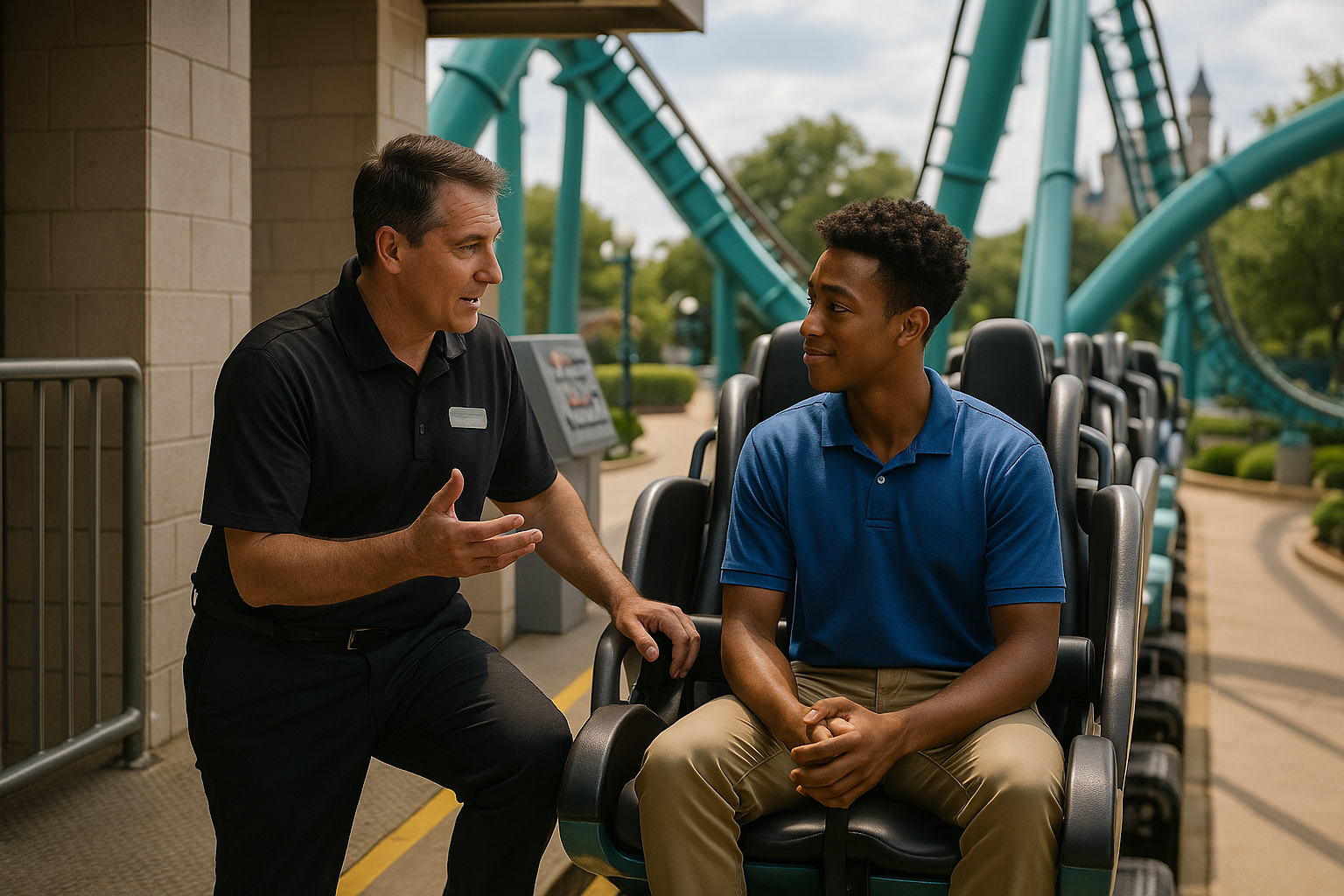
How to Find a Theme Park Mentor and Build a Stronger Attractions Career Network
A mentor can help you understand theme park careers in ways a job description never will. They can explain how departments work together, which skills matter in different roles, how to prepare for new opportunities, and what challenges are common in the attractions industry.
Finding a mentor, however, is not as simple as asking someone to guide your entire career. The strongest mentoring relationships usually develop from genuine professional connections, thoughtful questions, and consistent follow-through. If you are trying to get hired at a theme park, explore a new department, or advance in your current role, the right mentor can help you make better-informed decisions.
Start by Defining the Career Advice You Need
Before reaching out to potential mentors, identify the specific area where you want guidance. “I want to work in the theme park industry” is a good long-term goal, but it is too broad for a productive first conversation.
Instead, consider questions such as:
- How can I move from guest services into entertainment or attractions operations?
- What skills are useful for a career in theme park marketing?
- How can I prepare for leadership responsibilities as a seasonal employee?
- What does a typical career path look like in food and beverage, retail, or hospitality?
- How can I learn more about behind-the-scenes roles such as scheduling, training, maintenance, or technical production?
A clear goal helps you identify the right person to contact and makes your message more respectful of their time.
Look for Mentors in the Right Places
Your ideal mentor does not have to hold a senior executive position. In many cases, someone only a few steps ahead of you can offer the most practical advice because they recently faced similar decisions.
Consider These Potential Mentors
- A current or former supervisor who understands your strengths
- A department leader working in an area you want to explore
- A former classmate or coworker who moved into the attractions industry
- A professional you meet at an industry event or networking group
- A trainer, coordinator, or lead who has experience developing team members
- A theme park professional whose career path reflects your interests
Pay attention to people who share useful insights, treat others professionally, and appear willing to support developing talent. A mentor should offer honest guidance, not simply tell you what you want to hear.
Make a Low-Pressure Introduction
Many professionals avoid asking for mentorship because the request sounds too formal or demanding. You do not need to begin by asking someone to become your long-term mentor. Start with a brief conversation focused on one topic.
A message might say:
“Hello, I’m exploring career paths in theme park operations and noticed your experience across attractions and guest services. I’m especially interested in learning how professionals build skills between those areas. If you have 15 minutes for a brief conversation, I would appreciate hearing about your experience.”
This approach gives the professional a clear reason to respond and a manageable time commitment. It also allows both of you to decide whether a longer-term mentoring relationship feels natural.
Ask Better Questions About Theme Park Careers
Strong questions lead to useful conversations. Avoid asking something easily answered by an employer’s careers page, such as whether a company has job openings. Instead, ask about the person’s experience, decisions, and lessons learned.
- What skills helped you move into your current theme park role?
- What did you misunderstand about this department before working in it?
- Which experiences helped you become more effective with guests or team members?
- What would you recommend someone learn before pursuing this type of work?
- How do operations, entertainment, hospitality, or support departments collaborate here?
- What is one mistake early-career professionals often make in this field?
Take notes, but remain engaged in the conversation. Your goal is not to conduct an interrogation. Listen for patterns, ask thoughtful follow-up questions, and connect the advice to your own career goals.
Show That You Value the Relationship
Mentoring is not a one-way transaction. You do not need to offer a job, a favor, or industry access in return, but you should demonstrate that the person’s time made a difference.
After a conversation, send a short thank-you message mentioning one specific takeaway. If they recommend a course, volunteer experience, professional association, or skill to develop, follow up later with an update.
For example, you might write, “You suggested learning more about event operations, so I volunteered to help coordinate a local entertainment program. The experience helped me understand how much planning happens before guests arrive.”
Updates like this show that you are serious about your development. They also give the mentor a meaningful way to continue the conversation without having to guess what happened after your meeting.
Build a Mentoring Circle Instead of Relying on One Person
One mentor may not be able to answer every career question. Someone in attractions operations may understand guest flow and safety procedures but have limited insight into marketing or technical entertainment. A human resources professional may offer valuable application advice but not know the daily realities of maintenance or food and beverage.
Try building a small network of professional relationships with different perspectives. One person might help you understand leadership, another may explain a specialized department, and another may provide advice about navigating seasonal work. This broader network can help you explore the attractions industry more realistically.
Connect With Theme Park Professionals on Theme Park Connections
Finding career guidance is easier when you have access to people who understand the attractions industry. ThemeParkConnections.com helps aspiring and current theme park professionals connect, share experiences, explore career paths, and build relationships across departments and organizations.
Join the community to meet people who can broaden your perspective, ask informed career questions, and develop connections that may support your next step in the theme park industry. A mentor relationship may begin with one conversation, but a strong professional network can continue helping you throughout your career.