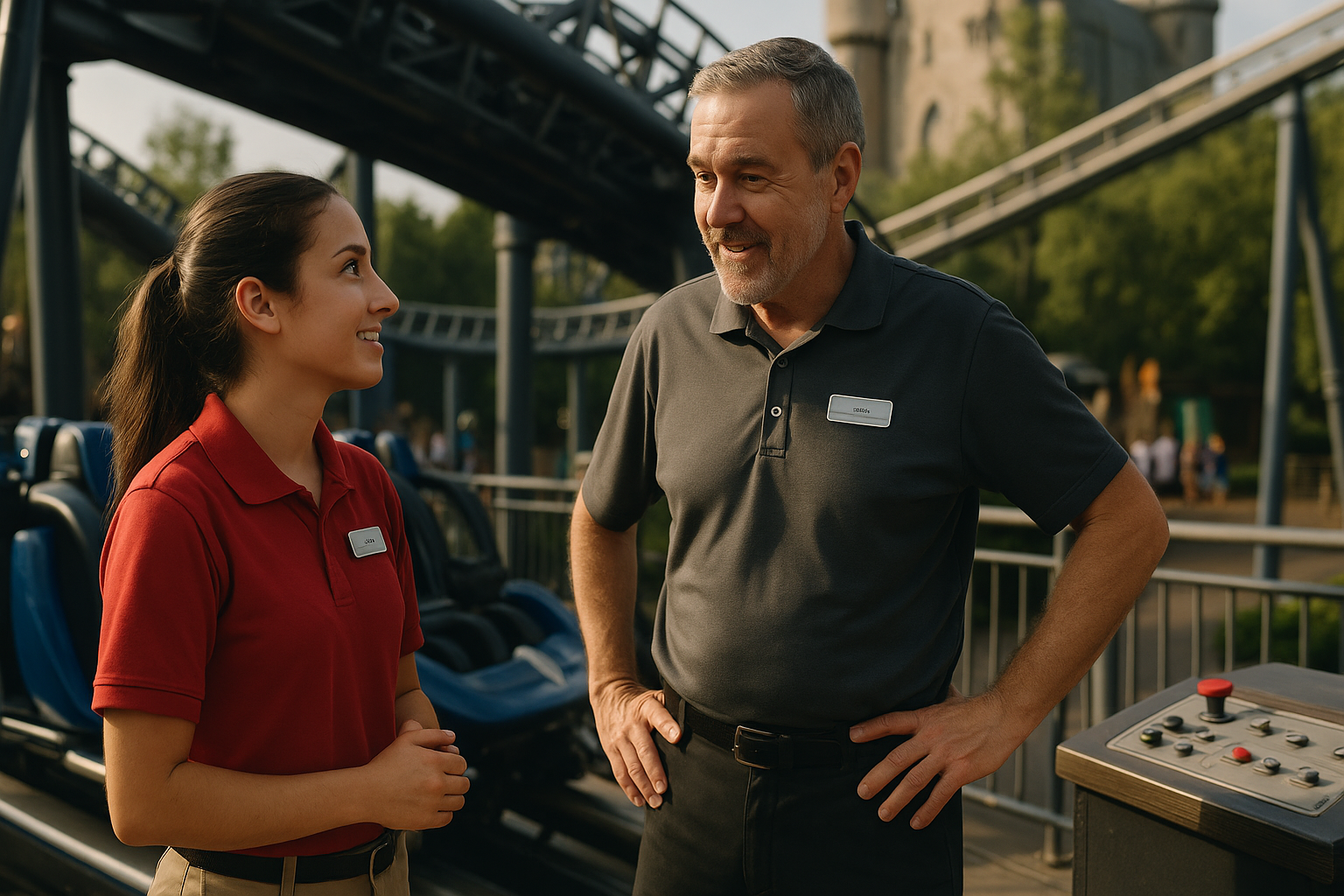
How to Find a Theme Park Mentor Without Asking for a Job
Building a career in the theme park and attractions industry often depends on more than submitting applications. The right conversation with an experienced professional can help you understand unfamiliar roles, avoid common mistakes, and make better decisions about your next step. That is where mentorship can make a meaningful difference.
Finding a theme park mentor does not require an impressive title, a large social media following, or an immediate request for a referral. It starts with building a genuine professional relationship based on curiosity, respect, and shared interest in the attractions industry.
Know What You Want to Learn
Before reaching out to potential mentors, identify the career questions you are trying to answer. “Can you help me get a job?” is broad and difficult to respond to. A more focused question creates a better foundation for a conversation.
You might want to learn:
- What a day looks like in attractions operations, entertainment, guest services, or technical production
- Which skills are useful for a specific theme park career path
- How someone moved from seasonal work into a long-term industry role
- What portfolio projects are valuable for design, show production, or creative technology positions
- How professionals continue learning after joining the industry
Your goal may change as you learn more. That is normal. A mentor can be especially helpful when you are comparing several possible directions, such as entertainment management, ride operations, event production, hospitality, or marketing.
Look Beyond the Most Visible Theme Park Jobs
Many people begin their search by focusing on recognizable employers such as Disney, Universal, SeaWorld, or Six Flags. Those companies employ professionals across many departments, but the person who can help you most may not have the job title you initially imagined.
Consider connecting with professionals in areas such as:
- Attractions operations and park services
- Technical entertainment and event production
- Costume, wardrobe, and show support
- Facilities, maintenance, and engineering
- Food and beverage leadership
- Guest research and experience design
- Training, safety, and workforce development
- Creative development and scenic fabrication
A mentor does not have to work at your dream park. Someone at a regional amusement park, museum, zoo, family entertainment center, water park, or attractions supplier may offer equally valuable insight. The skills and professional habits used across the industry often transfer between different types of guest experiences.
Start With a Conversation, Not a Mentorship Request
Asking a stranger to become your mentor can feel formal and intimidating. It also places a significant commitment on someone before they know you. Instead, begin with a short, thoughtful conversation.
A good introduction might mention a shared interest, a specific part of the person’s career, and one clear question. For example:
“I’m exploring technical entertainment careers and noticed your experience moving from event production into theme park shows. I’m trying to understand which entry-level skills are most useful in that area. What would you recommend I learn first?”
This approach is respectful because it does not assume the person has time for an ongoing commitment. It also gives them an easy way to answer, even if they cannot participate in a longer conversation.
Make Your Message Personal
Avoid sending the same generic message to every professional you find. Mention a project, department, presentation, article, or career transition that genuinely interests you. You do not need to write a long message. Two or three specific sentences are often enough.
Do not lead with a request to review your resume, recommend you for a job, or provide an employee referral. Those requests may become appropriate later, but trust should come first.
Use Informational Conversations to Learn the Industry
An informational conversation is a short discussion focused on someone’s experience and advice. It is not a disguised job interview. You are not asking the professional to hire you; you are learning how the work actually happens.
Prepare three to five questions before the conversation. Useful questions include:
- What surprised you most when you first started working in attractions?
- Which responsibilities are often misunderstood by people outside your department?
- What skills help new employees earn trust on a busy park day?
- How did you decide which opportunities to pursue?
- What should someone learn before applying for this type of role?
Listen carefully and avoid interrupting. Take brief notes, but keep the conversation natural. If the person describes a department or responsibility you do not understand, ask a follow-up question instead of pretending to be familiar with it.
Turn Good Conversations Into Professional Relationships
Mentorship develops through consistency, not one impressive message. After speaking with someone, send a short thank-you note that refers to something specific you learned. Later, update them when you act on their advice.
For example, you might write:
“Thank you for explaining how production teams coordinate with park operations. I followed your suggestion and attended a local event-production workshop. It helped me realize that scheduling and communication are skills I need to strengthen.”
This type of follow-up shows that you value the person’s time and take responsibility for your own development. It also gives the relationship a natural reason to continue.
Stay in touch occasionally rather than sending frequent messages that require an immediate response. Share a relevant accomplishment, congratulate them on a professional milestone, or ask one well-considered question when you have made real progress.
Be Ready to Give Back
Networking is not only about what experienced professionals can provide. You can contribute even when you are early in your career. Share a useful industry resource, volunteer at an attractions event, offer encouragement, or introduce two people who may benefit from knowing each other.
Respect boundaries as well. A mentor may be busy during an operating season, preparing for a major event, or handling responsibilities that prevent regular conversations. A delayed response does not necessarily mean disinterest. Continue developing your skills and maintain a professional attitude.
Build Your Theme Park Network With Theme Park Connections
ThemeParkConnections.com helps people connect with theme park professionals, share career experiences, explore different attractions roles, and build relationships across the industry. It can be a useful place to learn from people working in departments you may not encounter through your local network.
Join the Theme Park Connections community to expand your professional network, start meaningful conversations, and take the next step toward a career in the attractions industry.