How to Find a Theme Park Industry Mentor and Build a Career-Boosting Relationship
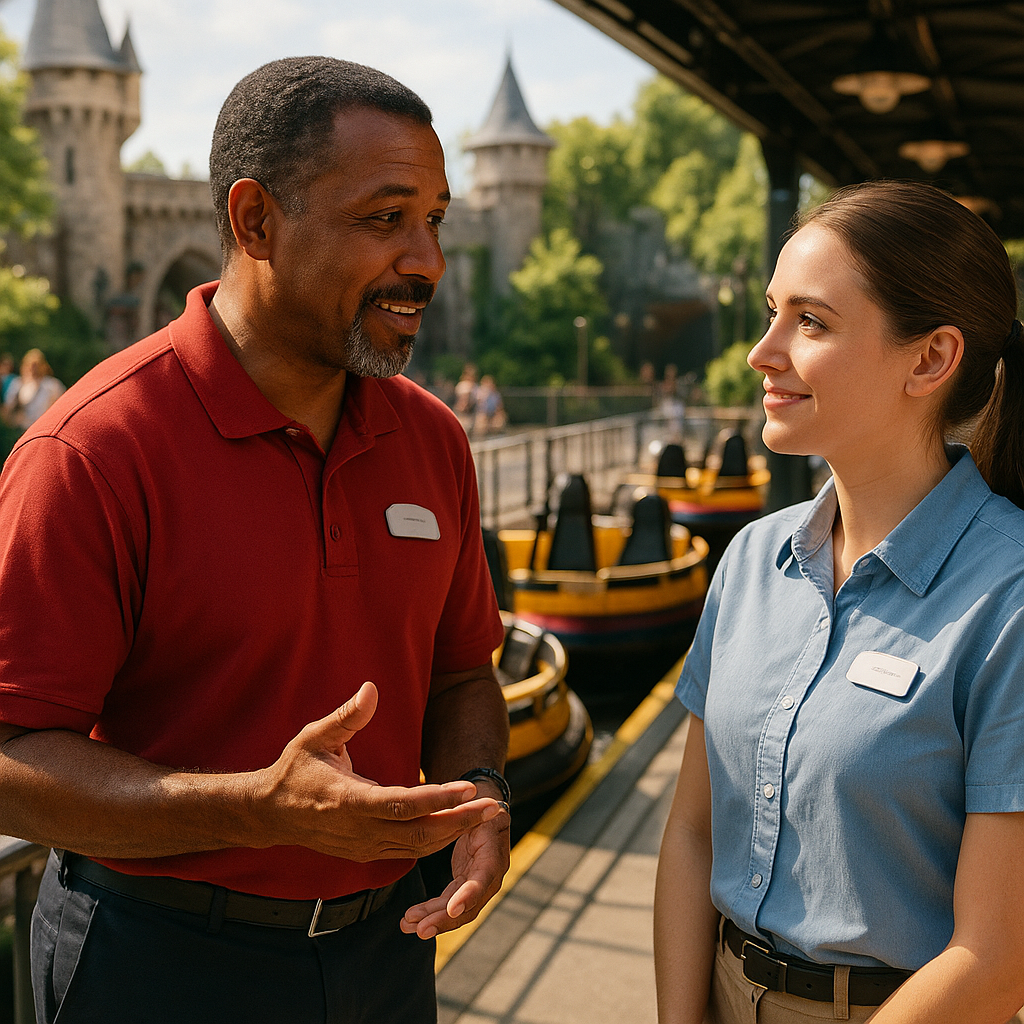
A mentor can help you understand theme park careers in ways job descriptions and company websites cannot. They can explain how departments work together, share lessons from their own career path, help you prepare for new opportunities, and offer an honest perspective on the attractions industry.
Finding a mentor in the theme park industry does not require a formal program or a famous connection. The strongest mentoring relationships often begin with a thoughtful conversation, shared professional interests, and consistent follow-up. Here is how to identify the right person and build a relationship that benefits both of you.
Know What You Want to Learn
Before reaching out to potential mentors, define the career question you are trying to answer. “I want to work in theme parks” is a useful long-term goal, but it is too broad for a productive mentoring conversation.
Instead, consider questions such as:
- How can I move from guest services into entertainment operations?
- What skills are useful for a career in attractions maintenance?
- How do seasonal employees build experience for year-round roles?
- What does a typical career path look like in theme park food and beverage?
- How can I learn more about project management, show production, or safety?
A specific goal makes it easier to identify the right mentor. Someone working in technical production may be an excellent resource for questions about show operations, but not necessarily the best person to advise you about retail management or human resources.
Look Beyond Job Titles
Many people search for a mentor based only on seniority. While an experienced director or department leader may have valuable insight, a mentor does not need to be the most senior person in an organization.
Someone who is two or three steps ahead of you may offer especially practical advice because they recently faced similar decisions. For example, a current coordinator may understand the transition from hourly operations work into an administrative role. A lead technician may be able to explain how to gain credibility when moving into a specialized maintenance position.
Consider people whose work habits, communication style, or career path you respect. A strong mentor is not simply someone with an impressive title. Look for someone who is willing to share realistic advice and who treats colleagues professionally.
Where to Find Potential Mentors in the Attractions Industry
Mentors can be found in many places, including inside and outside a theme park employer. Start with the professional communities you already access.
- Current or former coworkers: A supervisor, trainer, lead, or colleague may know your strengths and understand your goals.
- Industry events: Conferences, career fairs, workshops, and attractions industry gatherings provide opportunities to meet professionals from different departments.
- Professional networks: Online communities can help you connect with people working in entertainment, operations, hospitality, technology, design, and other areas.
- School and training programs: Instructors, alumni, guest speakers, and internship contacts may offer useful industry perspectives.
- Adjacent industries: Professionals in museums, live events, hospitality, resorts, theaters, and visitor attractions may have transferable knowledge.
Do not limit your search to large destination resorts. Regional parks, water parks, zoos, aquariums, family entertainment centers, cruise lines, and immersive attractions can also provide valuable career connections.
Start With an Informational Conversation
Approaching someone with “Will you be my mentor?” can feel too formal, especially if you have never spoken before. A better first step is to request a short informational conversation.
Your message should explain who you are, what interests you, and why you chose to contact that person. For example:
“I am building experience in guest operations and hope to learn more about entertainment administration. I noticed your background includes both park operations and event coordination. If you are available, I would appreciate 20 minutes to hear how you developed those skills and what you would recommend for someone at my stage.”
This approach is respectful and specific. It also gives the other person an easy way to decline if their schedule does not allow a conversation.
Ask Better Questions
Mentoring conversations are most useful when you ask questions that invite experience rather than facts you could quickly find online.
Questions that encourage practical advice
- What skills became more important as you moved into your current role?
- What do people often misunderstand about this department?
- What experiences helped you become more effective at work?
- Which entry-level responsibilities gave you the strongest foundation?
- What would you do differently if you were starting this career path again?
Listen carefully and take brief notes. Avoid turning the conversation into a request for a referral or a job. The purpose of the first discussion is to learn, build trust, and determine whether your professional interests align.
Turn One Conversation Into a Professional Relationship
A mentor relationship develops through consistency, not constant contact. After the conversation, send a short thank-you message that mentions something specific you learned. Later, share a relevant update, such as completing training, taking on a new responsibility, or exploring a department they recommended.
Keep your updates concise and purposeful. Instead of sending frequent messages that only say you are looking for work, provide context: “I took your advice and volunteered for event setup at my local venue. The experience confirmed that I am interested in production operations. I am now exploring training opportunities in that area.”
Respect boundaries and schedules. Your mentor may be willing to offer occasional guidance without being available for weekly calls. Clarify expectations naturally as the relationship develops.
Be Ready to Contribute, Too
Mentoring should not feel like a one-sided transaction. You may not be able to offer industry experience yet, but you can still be dependable, prepared, and appreciative. Share useful resources, congratulate your mentor on professional milestones, or offer assistance with appropriate community activities.
Most importantly, act on the advice you receive. A mentor is more likely to continue investing time in someone who demonstrates initiative and follows through.
Build Your Theme Park Network With Theme Park Connections
ThemeParkConnections.com gives aspiring and current attractions professionals a place to meet industry peers, exchange experiences, explore career paths, and develop relationships across the theme park community. You can connect with people in operations, entertainment, hospitality, technology, maintenance, food and beverage, retail, and other areas of the industry.
Join the community at ThemeParkConnections.com to start expanding your professional network and find conversations that can support your next career step.