How to Move From Guest Services Into Theme Park Operations Careers
Guest services is one of the best starting points for a theme park career, but many employees eventually want to explore what happens behind the scenes. If you enjoy solving problems, coordinating teams, improving guest flow, or keeping daily operations organized, a future in theme park operations may be a strong fit.
Moving from a guest-facing role into operations planning, park services, attractions operations, or supervisory work usually requires more than simply expressing interest. You need to show that you understand how your current work affects the larger operation—and that you are ready to take on responsibilities beyond individual guest interactions.
Understand the Different Paths Within Theme Park Operations
“Operations” can mean many different things in the attractions industry. Before planning your next move, learn how various departments contribute to the guest experience.
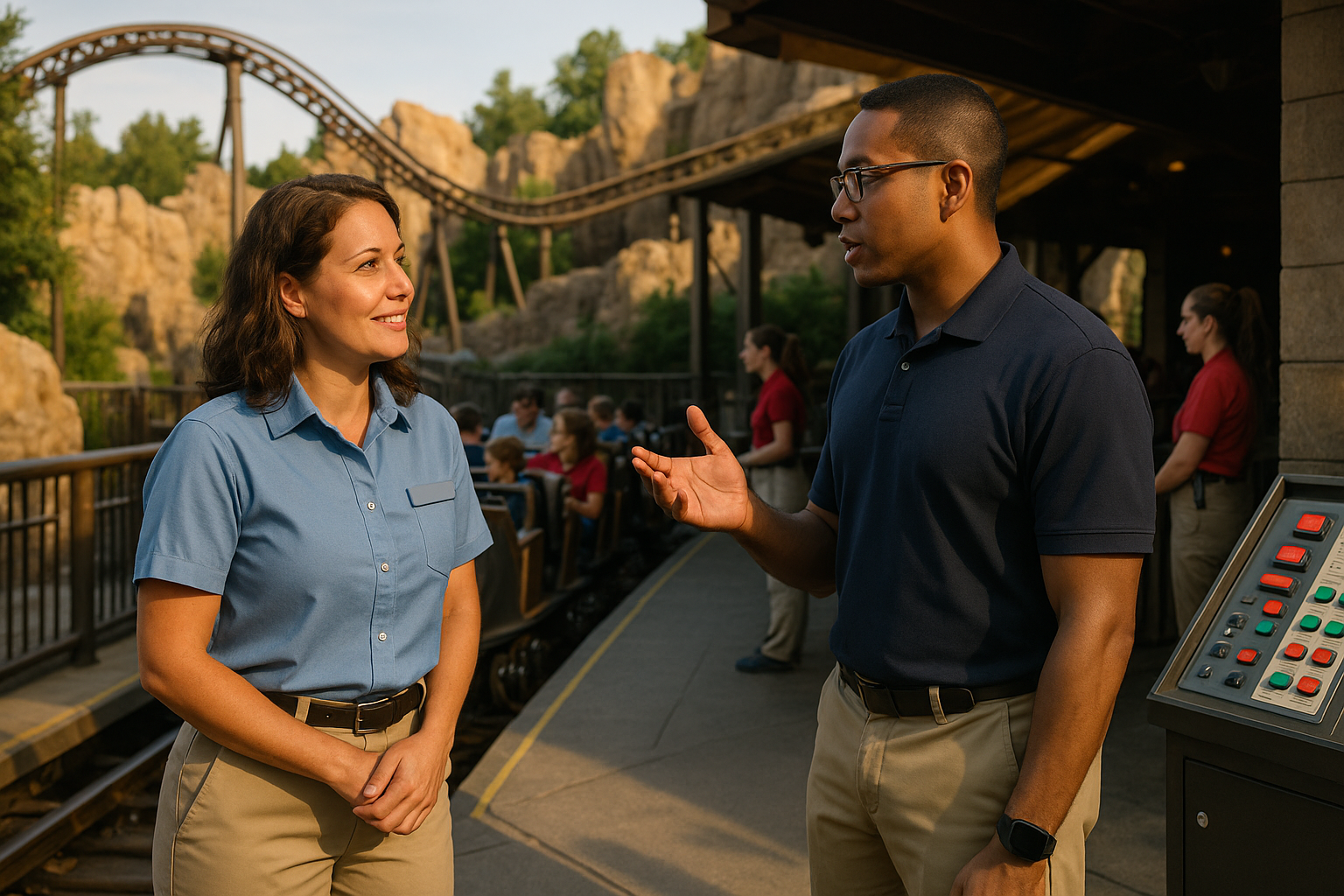
- Attractions operations: Supporting the safe, efficient, and welcoming operation of rides and attractions.
- Park services: Helping coordinate cleanliness, guest areas, accessibility, and day-to-day park conditions.
- Operations planning: Supporting staffing, schedules, capacity planning, procedures, and communication between departments.
- Guest flow and event operations: Helping manage crowds, parades, special events, entertainment schedules, or seasonal programs.
- Operations leadership: Guiding frontline teams, coaching employees, resolving escalated concerns, and supporting daily business goals.
Job titles vary between employers, so search broadly when exploring theme park operations careers. Review department descriptions, organizational charts when available, and conversations with employees in roles that interest you.
Turn Guest Services Experience Into Operations Skills
Guest services work gives you valuable operational experience, even when your job title does not include the word “operations.” The key is learning to describe that experience in terms of results, judgment, and coordination.
Track the Work You Do Beyond Basic Service
Think about moments when you helped the park operate more smoothly. Did you coordinate with security, transportation, attractions, custodial teams, or supervisors? Did you help respond to a weather-related change, a busy arrival period, an accessibility need, or a large group visit?
Keep a private record of examples that demonstrate:
- Clear communication during busy periods
- Accurate handling of policies and procedures
- Calm decision-making during unexpected situations
- Coordination with multiple departments
- Training or supporting newer team members
- Identifying repeated guest concerns or operational obstacles
These examples can help you explain why your experience is relevant to an operations position. Instead of saying, “I helped guests all day,” you might describe how you coordinated information across departments to reduce confusion during a high-volume situation.
Ask Better Questions During Informational Conversations
Networking is especially useful when you are trying to understand a department that is not visible to guests. A short, respectful conversation with someone in operations can reveal which skills matter most and what the work is really like.
When speaking with a supervisor, former coworker, recruiter, or industry professional, avoid opening with a request for a job. Start by asking informed questions such as:
- What does a typical shift look like in your department?
- Which guest services skills have been most useful in your current role?
- What responsibilities helped you become ready for operations work?
- What should someone learn before applying for an operations position?
- Are there projects, training opportunities, or cross-functional experiences worth pursuing?
Take notes afterward and follow up with a brief thank-you message. If the person shares a resource or suggests a skill to develop, let them know how you acted on the advice. That is how a one-time conversation can become a professional relationship.
Look for Ways to Learn the Business From the Front Line
Operations professionals need to understand more than their own work area. Pay attention to how staffing, maintenance, weather, transportation, entertainment, food service, and guest communication affect the entire park.
You can build this knowledge without overstepping your role. Read available department communications, attend approved training, volunteer for appropriate projects, and observe how experienced leaders manage changing conditions. If your employer offers job shadowing, cross-training, development programs, or employee networking events, take advantage of them.
Also learn the language of operations. Become familiar with terms related to capacity, service recovery, downtime, queue management, dispatch, crowd movement, opening and closing procedures, and incident communication. You do not need to pretend to be an expert, but understanding these concepts will make conversations and applications more meaningful.
Prepare for the Move Without Abandoning Your Current Role
A common mistake is becoming so focused on the next department that performance in the current role slips. Strong performance and a dependable reputation remain important when pursuing a theme park career change.
Continue meeting expectations, arrive prepared, follow procedures, and treat coworkers respectfully. Operations leaders often notice employees who remain composed, communicate clearly, and help the team during difficult shifts. Your daily reputation can support your future goals more effectively than simply announcing that you want a promotion.
When you are ready to apply, customize your materials for the specific operations role. Highlight examples involving coordination, procedures, problem-solving, safety awareness, leadership, and decision-making. Use language that connects your guest services background to the responsibilities described in the posting, without overstating your experience.
Build Your Attractions Industry Network
You do not have to plan your career path alone. ThemeParkConnections.com helps people connect with theme park professionals, share experiences, explore different attractions careers, and build relationships across departments and employers. Joining the community can give you a place to ask thoughtful questions, learn from other career journeys, and stay connected as your goals develop.
Moving from guest services into theme park operations takes curiosity, preparation, and consistent performance. Start by learning what operations roles involve, document the skills you are already using, and build genuine relationships with people who understand the work. Your frontline experience can be more valuable than you realize when you learn how to connect it to the larger operation.