Backstage Etiquette: The Habits That Keep Theme Park Entertainment Running Smoothly
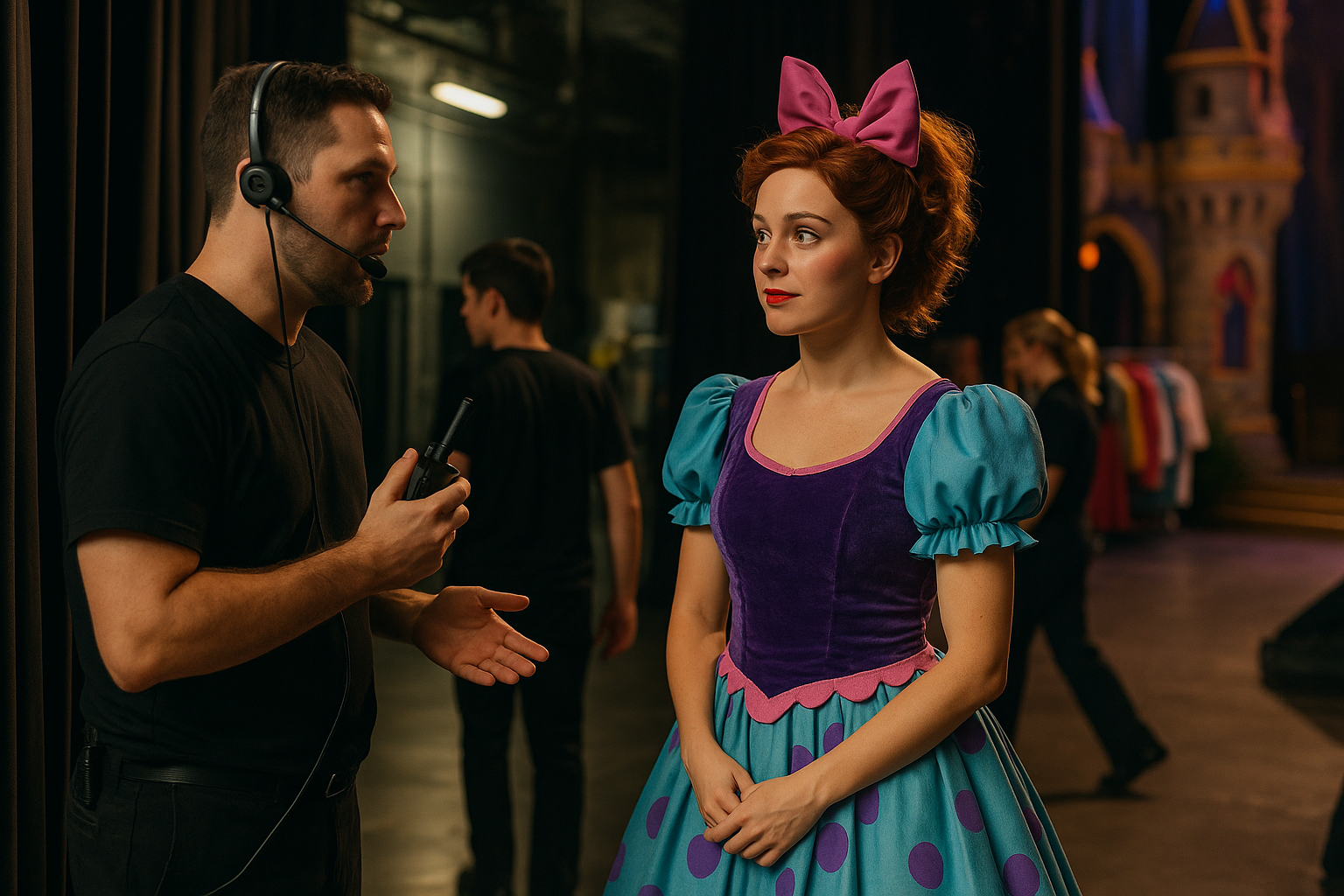
Guests see the finished performance: the character arrival, the parade unit moving into position, the live show beginning on time, or the performer greeting families with energy and confidence. What they do not see is the backstage coordination required to make those moments happen.
For entertainment employees, backstage etiquette is more than a matter of being polite. It affects show readiness, performer safety, costume care, communication, and the guest experience. A crowded hallway, a missed call, or an unsecured costume piece can create problems far beyond the backstage area.
Whether you are new to entertainment operations, working as a performer, supporting costumes, assisting with production, or hoping to move into the department, learning how to work respectfully behind the scenes is an important professional skill.
Why Backstage Etiquette Matters
Theme park entertainment often operates on tight schedules. Performers may have only a few minutes to move between locations, change costumes, reset props, receive notes, and prepare for the next appearance. Technicians may be checking equipment while wardrobe employees are handling quick changes. Supervisors may be communicating updates that affect several teams at once.
In that environment, small habits make a difference. Employees who keep pathways clear, protect confidential information, and communicate efficiently help everyone do their jobs with fewer interruptions.
Backstage behavior also protects the illusion created for guests. A performer appearing out of character, an unsecured costume item, or an employee loudly discussing show details in a public area can weaken the experience. Professional conduct keeps the audience focused on the story rather than the work happening behind it.
Keep Shared Backstage Spaces Functional
Backstage areas are often smaller and busier than they appear. Hallways, green rooms, costume areas, storage spaces, and service corridors may serve multiple departments throughout the day.
Move with purpose
If you are walking through a backstage area, stay aware of traffic around you. Avoid stopping in doorways, at the top of stairs, or near entrances to changing areas. If you need to have a conversation, move to a location where you will not block employees carrying equipment or performers moving between calls.
This is especially important during show transitions. A technician may be transporting a prop, a performer may be trying to make a scheduled entrance, or a wardrobe employee may need immediate access to a costume rack.
Leave spaces ready for the next person
Shared areas should not require the next employee to clean up before beginning their work. Return commonly used items to their assigned locations, dispose of personal trash, and report damaged equipment or facility issues instead of leaving them for someone else to discover.
- Keep personal bags and water bottles in approved areas.
- Do not move costume pieces, props, or equipment without authorization.
- Close doors, curtains, and storage containers when appropriate.
- Remove food and drinks from areas where they could damage costumes or technical equipment.
- Report spills, broken fixtures, or blocked pathways promptly.
These actions may seem routine, but they reduce delays and help protect expensive or difficult-to-replace materials.
Respect Costume and Character Boundaries
Costumes and character materials require careful handling. A performer may be wearing a partial costume, completing a makeup application, or preparing for a character appearance. That does not automatically mean they are available for conversation, photographs, or questions.
Give performers privacy while they are changing, preparing, or decompressing between appearances. Do not enter a restricted changing area without permission, and do not touch costume pieces, wigs, makeup supplies, or character accessories unless your role requires it.
Costume care is also a shared responsibility. Even if wardrobe owns the cleaning and maintenance process, everyone can help by following handling instructions, keeping costumes away from food and liquids, and reporting loose fasteners, damaged closures, uncomfortable fit issues, or missing accessories as soon as possible.
If you notice a costume problem while a performer is in a public area, communicate discreetly. Avoid drawing attention to the issue in front of guests or coworkers who do not need to know the details. A quiet message to the appropriate performer, wardrobe employee, or supervisor is usually more useful than a public announcement.
Use Clear Communication During Show Calls
Entertainment departments depend on timely communication. A show call, location change, costume update, weather adjustment, or technical issue may affect multiple people. Communication should be brief, accurate, and directed to the right person.
Before sending a message or using a radio, consider whether the information is urgent and who actually needs it. Avoid filling communication channels with side conversations, jokes, or repeated updates that do not help the operation.
Good backstage communication is specific
Instead of saying, “There is a problem near the stage,” identify the issue and location clearly. For example, you might report that a prop is missing from a designated storage position or that a performer has not arrived at a required check-in point.
When receiving instructions, repeat back important details if there is any chance of confusion. Confirming the location, time, or next step can prevent a small misunderstanding from becoming a missed entrance or delayed performance.
Not every backstage conversation belongs on an open channel. Personal information, performance notes, employee concerns, and sensitive operational details should be handled through the appropriate private communication method.
Protect the Guest Experience Beyond the Stage
Backstage employees are still part of the guest experience, even when guests are not expected to see them. Service corridors, backstage entrances, and transition points may occasionally be visible to guests, vendors, or other employees.
Maintain professional conduct in those areas. Avoid discussing guests, performers, coworkers, or internal problems where the conversation could be overheard. Do not make jokes about a character, show, or guest interaction while in costume or within public view.
If a guest unexpectedly enters a backstage-adjacent area, follow your department’s direction and notify the appropriate leader or security contact. Do not create a scene, provide unauthorized information, or attempt to manage a situation outside your training.
Professionalism also means being prepared to shift quickly from backstage work to guest interaction. If a guest asks for directions while you are traveling between locations, offer assistance when appropriate or connect them with someone who can help. A rushed schedule is not an excuse for dismissive behavior.
Handle Mistakes Without Creating More Problems
Backstage mistakes happen. A prop may be placed in the wrong location, a costume piece may be missing, or an employee may misunderstand a call time. The best response is to communicate early and focus on solutions.
Do not hide an error because you are worried about how it will look. Delayed information usually gives the team fewer options. Notify the person who can help, explain what happened without exaggeration, and follow the next instruction.
It is equally important not to criticize someone publicly during a stressful transition. Corrective feedback should happen privately whenever possible. A respectful approach protects working relationships and keeps the team focused on the immediate operational need.
Build a Reputation People Can Trust
Employees who understand backstage etiquette become valuable partners across the entertainment department. They are easier to schedule, train, and place in high-responsibility situations because leaders know they will communicate clearly and respect the work of other departments.
You can strengthen that reputation by:
- Arriving prepared for calls and rehearsals.
- Paying attention during briefings and technical notes.
- Asking questions at appropriate times.
- Respecting restricted areas and department boundaries.
- Keeping shared spaces organized.
- Reporting issues before they affect a performance.
- Supporting coworkers without interrupting their preparation.
These habits are useful beyond entertainment. They demonstrate reliability, situational awareness, teamwork, discretion, and operational judgment—skills that can support future opportunities in production, wardrobe, guest services, leadership, training, and other areas of the attractions industry.
Find More Connections Across the Attractions Industry
Backstage work can sometimes feel like a small world, but entertainment employees are part of a much larger professional community. Theme Park Connections gives people working throughout theme parks and attractions a place to connect with other industry professionals, share experiences, learn about different departments, and expand their professional networks.
Those connections can help you discover career opportunities, better understand how other teams operate, and build relationships that support your long-term growth. Visit ThemeParkConnections.com to continue learning from people who understand the work behind the guest experience.