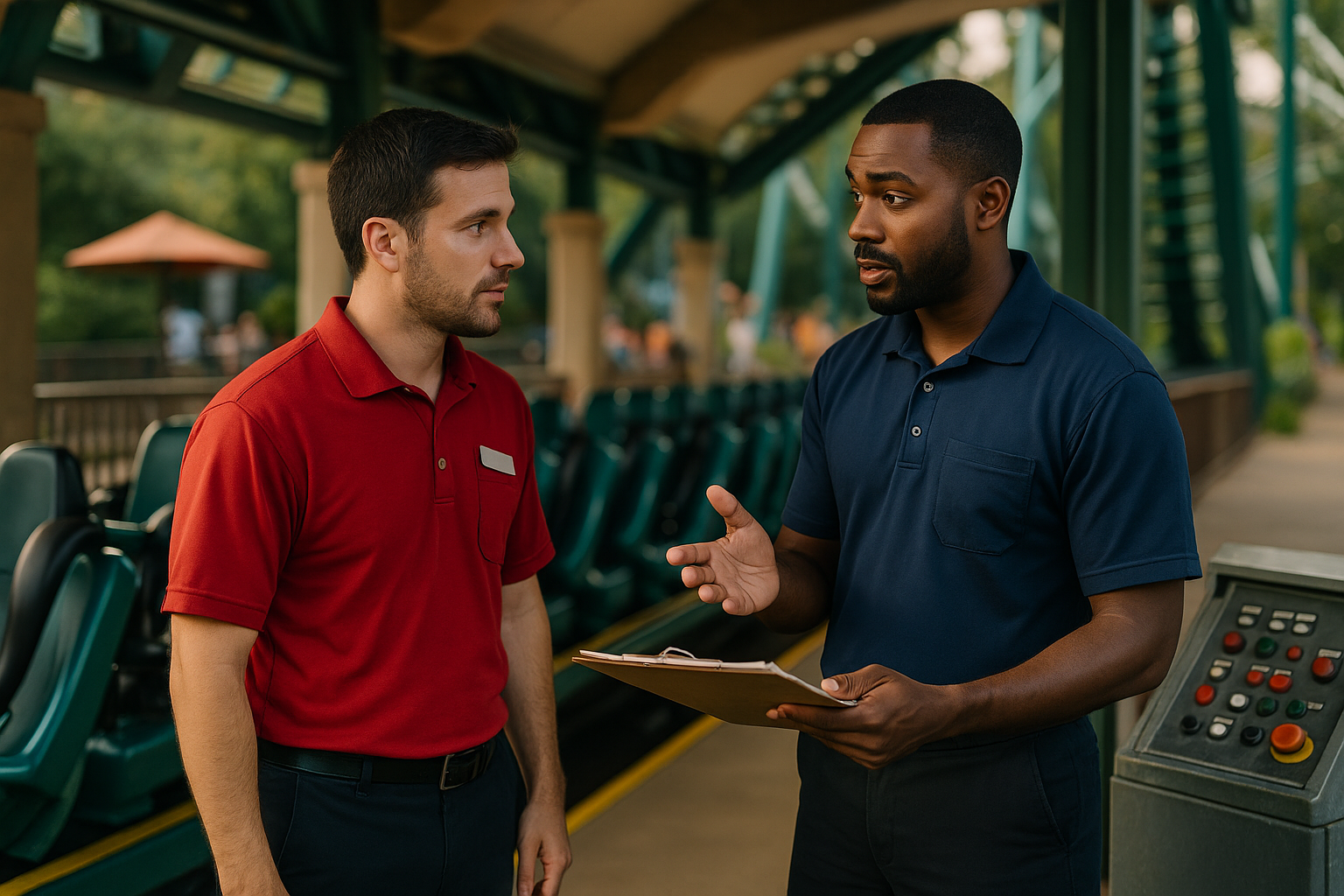
The Shift Handoff Is a Safety Tool, Not Just a Change of Personnel
In a theme park, hotel, restaurant, attraction, or entertainment venue, a shift handoff can feel like a routine administrative task. One employee clocks out, another arrives, and a few updates are exchanged before the day continues.
But an incomplete handoff can create confusion, repeated work, delayed decisions, and avoidable safety risks. The incoming team may not know which equipment is out of service, which guest concern is still active, which delivery has not arrived, or which operational change was made earlier in the day.
A strong shift handoff gives the next team a reliable starting point. It protects continuity, supports good judgment, and helps departments operate as one team instead of a series of disconnected shifts.
What Makes a Shift Handoff Effective?
A useful handoff is more than saying, “It was busy,” or “Everything is fine.” It should quickly explain what changed, what remains unfinished, and what the incoming employee needs to monitor.
The best handoffs are:
- Specific: They identify the exact location, task, guest issue, or piece of equipment involved.
- Current: They focus on information that still matters to the next shift.
- Organized: They follow a consistent order so important details are not forgotten.
- Actionable: They explain what needs to happen next and who is responsible.
- Documented when necessary: They use the department’s approved logs, systems, or communication channels.
A handoff does not need to be long. It needs to be clear enough that the next person can make an informed decision without reconstructing the entire previous shift.
The Information Every Department Should Consider
Each area has different priorities, but several categories apply across the attractions industry.
Operational Changes
Explain any change from the normal plan. This might include a modified rotation, a closed register, a relocated queue, a delayed delivery, a temporary change to a performance space, or a work area that cannot be used.
For example, an incoming retail associate should know that a stockroom aisle is blocked for a facilities repair. A restaurant supervisor should know that one service station is operating with limited equipment. An attractions team should be aware of any approved operational adjustment that affects the guest experience or team assignments.
Open Tasks
Be direct about work that was started but not completed. Avoid vague statements such as “someone needs to check the inventory.” Instead, identify what has been counted, what remains, and where the relevant information is recorded.
A clear update might include:
- Which task is incomplete
- What has already been done
- What prevented completion
- What should happen next
- Whether a leader or another department has been notified
Guest or Customer Follow-Up
Guest concerns often continue after the employee who received them has left for the day. If a complaint, accessibility request, lost item, service recovery situation, or special accommodation still requires attention, the next shift should understand the status without being given unnecessary personal information.
Focus on facts and next steps. Explain what the guest was told, what has been promised, and who is expected to follow up. If another department is involved, include that information as well.
Safety and Equipment Concerns
Any safety-related issue deserves special attention during a handoff. This could include a wet floor, damaged furniture, unusual equipment behavior, a blocked pathway, a lighting problem, or an area requiring additional monitoring.
Do not assume that reporting an issue means the handoff is complete. The incoming employee should know whether the condition has been corrected, isolated, documented, or escalated. If a safety concern has not been resolved, the appropriate leader or department should be contacted according to local procedures.
Common Shift Handoff Mistakes
Relying Entirely on Memory
Busy shifts create too many details for anyone to remember perfectly. A quick note made during the shift is often more accurate than trying to recall everything during the final two minutes before clocking out.
Use approved department tools, checklists, logs, or communication systems when they are available. Written information also gives the incoming team a reference if questions arise later.
Using Vague Language
Words such as “soon,” “later,” “probably,” or “they know about it” can create confusion. A handoff should make the situation easier to understand, not force the next person to investigate basic facts.
Replace vague wording with details. Identify the person or department contacted, the approximate time of the update when relevant, and the next expected action.
Leaving Out Problems Because They Were Not Resolved
An unresolved problem is still important information. In fact, it may be more important than a completed task because the next team needs to know that additional attention is required.
Do not hide an issue because you are concerned it reflects poorly on the shift. Reporting a problem early allows the next team to respond before it affects more guests, employees, or operations.
Giving Too Much Unfiltered Information
A handoff can also fail when it becomes a long list of unrelated details. The incoming employee needs relevant context, not every conversation or minor inconvenience from the previous shift.
Prioritize information based on risk, urgency, guest impact, and the likelihood that it will affect the next few hours of operation.
Making Handoffs Work During Busy Periods
Peak attendance, holiday events, weather changes, and unexpected downtime can make formal handoffs difficult. When there is no time for a lengthy conversation, use a simple priority structure:
- What requires immediate attention?
- What could affect safety or operations?
- What guest or team issue is still active?
- What routine work remains?
Start with the information that could change the incoming employee’s first decision. A register shortage, a blocked emergency access route, a guest waiting for a promised callback, or an attraction component awaiting inspection should be discussed before less urgent housekeeping details.
If the handoff must be brief, state the most important facts first and identify where the remaining information is documented. A short, structured update is more effective than an informal conversation interrupted by radios, guests, or coworkers.
Receiving a Handoff Is an Active Responsibility
Handoffs are not only the responsibility of the person leaving. The incoming employee should listen, ask clarifying questions, and confirm the priorities for the shift.
Useful questions include:
- “What is the most urgent item I need to address first?”
- “Has that issue already been reported to a leader or another department?”
- “What information has been given to the guest?”
- “Is the area open, restricted, or waiting for a decision?”
- “Where is the update documented?”
Repeating back a key detail can prevent misunderstandings. For example: “So the equipment is not being used until maintenance evaluates it, and the supervisor has been notified—is that correct?” This takes only a few seconds and confirms that both employees have the same understanding.
Why Strong Handoffs Help Your Career
Employees who communicate well during shift changes often become trusted sources of information. Leaders notice people who can summarize a complicated situation, separate urgent details from minor ones, and leave accurate notes for the next team.
These skills are valuable in many theme park roles, including lead positions, event operations, scheduling, training, guest recovery, facilities coordination, and department supervision. Clear handoffs demonstrate judgment, accountability, organization, and respect for coworkers.
A reliable handoff also improves the employee experience. The next team begins with useful information instead of frustration, and the departing team can leave knowing that important issues were transferred responsibly.
Build a Culture of Continuity
A department does not need a complicated process to improve its handoffs. Start by agreeing on the information that must be shared every time, such as operational changes, unresolved guest concerns, safety issues, equipment status, staffing needs, and open tasks.
When every shift uses the same basic structure, employees spend less time guessing what matters. The result is a smoother operation, fewer repeated mistakes, and better service for both guests and coworkers.
Theme Park Connections gives professionals throughout the attractions industry a place to connect with other industry employees, share experiences, learn about different departments, and expand their professional networks. Conversations about practical subjects such as shift communication can also reveal career opportunities and help employees understand how their current skills apply across the industry.
A shift handoff may last only a few minutes, but its impact can last throughout the next operating period. Treating that exchange as an essential operational tool helps every team start stronger.