How to Find Behind-the-Scenes Theme Park Jobs and Build an Attractions Career
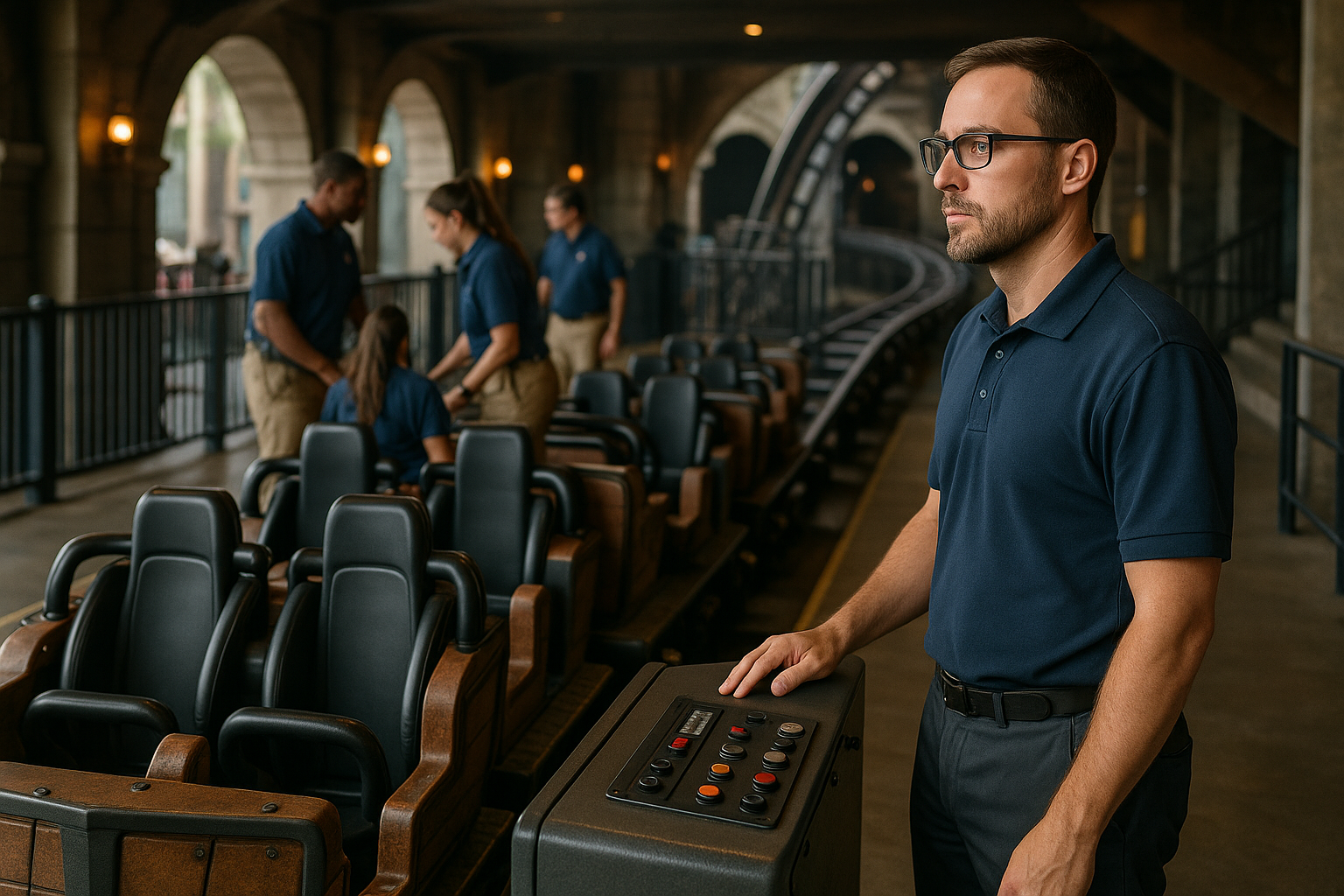
When people picture a theme park career, they often think of performers, ride operators, character attendants, or guest services cast members. Those jobs are important, but they represent only part of the attractions industry. Behind every successful park is a large team handling maintenance, scheduling, wardrobe, technology, logistics, training, accessibility, safety, and daily operations.
If you are searching for theme park jobs or trying to move beyond front-line work, exploring behind-the-scenes roles can reveal career paths you may not have considered. These positions often require practical skills, attention to detail, and an understanding of how a park operates rather than a traditional entertainment background.
What Counts as a Behind-the-Scenes Theme Park Job?
Behind-the-scenes work supports the guest experience without always involving direct guest interaction. Depending on the park or attractions company, opportunities may exist in several areas:
- Operations support: Scheduling, workforce coordination, dispatch support, documentation, and operational planning.
- Technical services: Ride systems, audio, lighting, show control, special effects, and equipment troubleshooting.
- Facilities and maintenance: Electrical, mechanical, plumbing, landscaping, custodial planning, and building systems.
- Costume and wardrobe: Garment preparation, repairs, inventory, fittings, laundry coordination, and character costume support.
- Entertainment production: Props, scenic work, stage management, rehearsals, technical direction, and event support.
- Technology and data: Application support, networking, digital systems, reporting, cybersecurity, and guest-facing technology.
- Business support: Human resources, purchasing, finance, marketing operations, learning and development, and project coordination.
Large employers such as Disney, Universal, SeaWorld, and Six Flags may organize these functions differently, so job titles and departments can vary. The same type of work might be called technical operations at one organization and entertainment technology, facilities services, or park support at another.
Start by Matching Your Skills to Park Operations
A common mistake is searching only for jobs with “theme park” in the title. Instead, identify the skills you already use and connect them to the needs of an attractions business.
If You Have Technical or Trade Skills
Experience with electrical systems, mechanical repair, welding, HVAC, electronics, sound, lighting, or troubleshooting may apply to maintenance, ride support, facilities, or entertainment technology. Emphasize safety awareness, preventive maintenance, documentation, and your ability to respond calmly when equipment problems affect operations.
If You Have Administrative Experience
Scheduling, data entry, inventory control, purchasing, payroll support, reporting, and office coordination can translate well to park operations. Attractions companies depend on accurate information and organized processes. Show how you manage changing priorities, communicate across departments, and keep records reliable.
If You Have Creative Experience
People with backgrounds in sewing, design, theater, photography, fabrication, event production, or set construction may find opportunities in entertainment support, wardrobe, scenic departments, or special events. A portfolio can be helpful, especially when your work is visual or project-based.
If You Have Technology Experience
Help desk support, software administration, networking, data analysis, and systems troubleshooting can connect to park technology teams. Theme park technology may support ticketing, point-of-sale systems, employee tools, reservations, digital signage, attractions, or internal reporting.
Use Better Search Terms for Theme Park Careers
Searching for “theme park jobs” is a useful starting point, but it can produce mostly front-line listings. Broaden your search with terms connected to the function you want to perform.
- Attractions operations coordinator
- Entertainment technician
- Show systems technician
- Facilities technician
- Costume or wardrobe assistant
- Maintenance planner
- Workforce management coordinator
- Park technology support
- Event production coordinator
- Learning and development coordinator
Also search the career pages of theme parks, water parks, resorts, museums, zoos, live entertainment venues, and family entertainment centers. Skills used in one attractions setting can often transfer to another.
Make Your Application Show Operational Value
For behind-the-scenes roles, employers need more than enthusiasm for rides and entertainment. Your application should explain how your work helps an operation run safely, consistently, and efficiently.
Replace broad statements such as “I am passionate about theme parks” with specific evidence. For example, describe how you maintained equipment, coordinated a high-volume schedule, reduced errors, trained coworkers, tracked inventory, supported an event, or handled confidential information.
Use language that reflects the role you want. A facilities application should highlight diagnostics and preventive maintenance. An operations application should emphasize coordination and communication. A wardrobe application should focus on garment care, organization, repairs, and deadlines.
If you lack direct theme park experience, connect your previous work to the environment. A hotel, theater, hospital, manufacturing facility, convention center, or large event venue can provide relevant experience with schedules, safety procedures, equipment, crowds, and cross-functional teamwork.
Build Relationships Before You Need a Job
Behind-the-scenes theme park roles are easier to understand when you speak with people who perform the work. Connect with professionals in departments that interest you and ask thoughtful questions about their career paths, daily responsibilities, and skills they consider valuable.
Keep the conversation focused on learning rather than immediately asking for a referral. You might ask which entry-level experiences helped them, what terminology candidates should understand, or what projects demonstrate readiness for their department.
Professional networking can also help you discover job titles that are not obvious from the outside. A conversation with someone in entertainment technology, for example, may reveal that your audio, IT, or event-production experience is relevant to the attractions industry.
Prepare for the Reality of Behind-the-Scenes Work
These roles may involve early mornings, evenings, weekends, changing schedules, physical activity, strict safety procedures, or urgent operational needs. Some work happens outdoors or in areas guests never see. Others require extended concentration, repetitive documentation, or collaboration across many departments.
Research the working environment before applying. Think honestly about the schedule, physical requirements, certifications, equipment, and communication demands. Showing that you understand the less-visible parts of the job can make your interest sound more credible and help you choose roles that fit your strengths.
Find Your Next Connection Through Theme Park Connections
You do not have to explore the attractions industry alone. ThemeParkConnections.com helps aspiring and current industry professionals connect, share experiences, learn about different career paths, and build relationships across theme parks and attractions.
Join the community to meet people working in operations, entertainment, technology, maintenance, hospitality, and other departments. The right conversation may help you identify a role, understand an unfamiliar department, or find a practical next step in your theme park career.