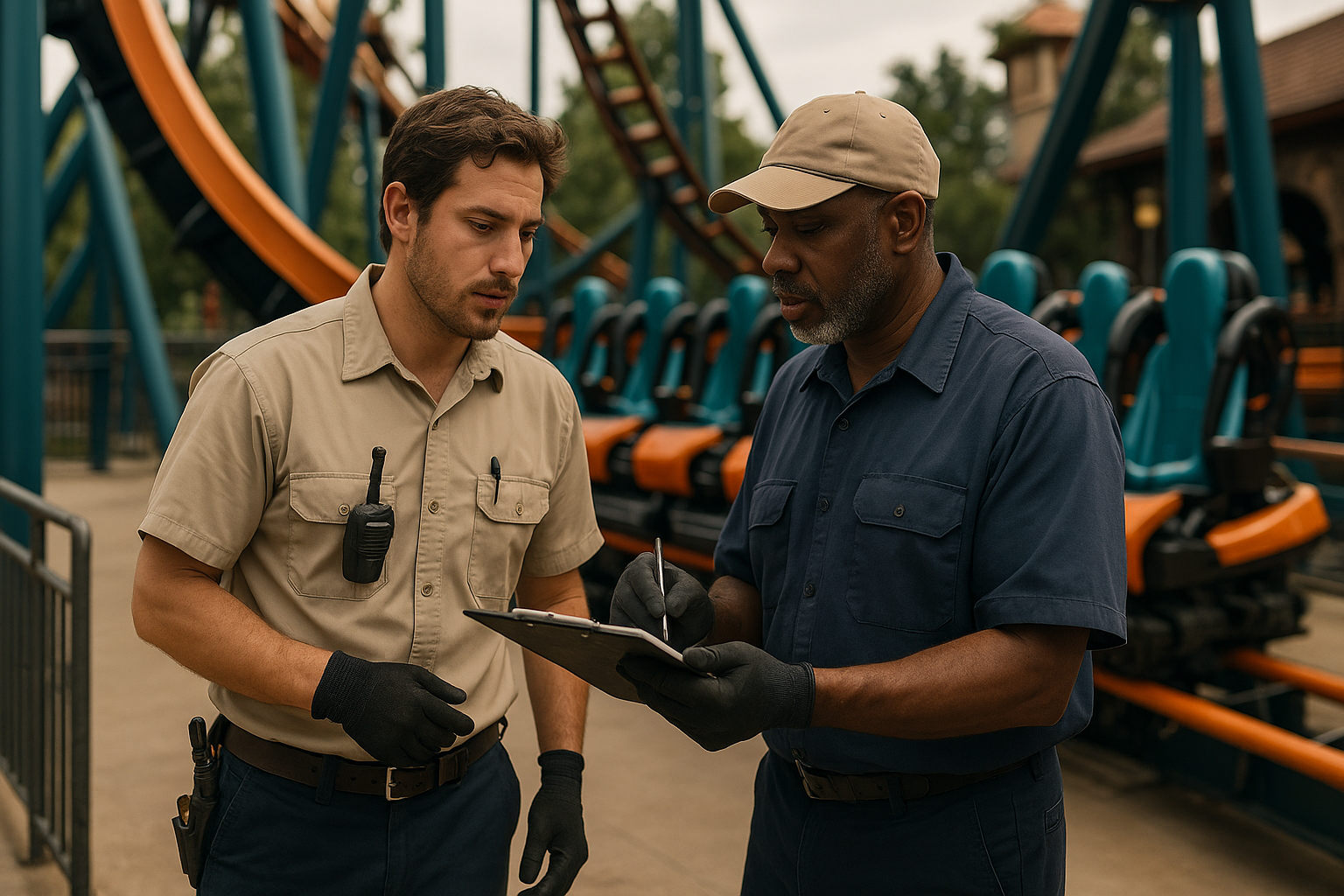
The Shift Handoff That Keeps Small Maintenance Issues from Becoming Major Downtime
A maintenance issue rarely becomes a major operational problem all at once. More often, it begins with a minor observation: an unusual sound, a door that closes slowly, a sensor that needed an extra reset, or a guest-facing fixture that was temporarily adjusted during the previous shift.
When that information is not communicated clearly, the next team may spend valuable time rediscovering the problem. In a theme park, that can lead to repeated troubleshooting, delayed openings, unexpected downtime, or a frustrating experience for both employees and guests.
A strong maintenance shift handoff is more than a quick conversation at clock-out. It is a practical tool for preserving operational knowledge, prioritizing follow-up work, and helping the next team begin with an accurate picture of the area or attraction.
Why Maintenance Handoffs Matter
Maintenance teams often work across different schedules, specialties, and operating conditions. One technician may encounter an issue during a quiet morning inspection, while another sees the same component under heavy use later in the day. Without a clear handoff, those observations may remain isolated.
Effective communication helps the incoming team understand:
- What equipment or area needs attention
- What symptoms were observed
- What action has already been taken
- Whether the issue is resolved, being monitored, or still open
- What follow-up may be required
- Who has already been notified
This information is especially valuable when a problem does not immediately require the attraction or facility to close. A minor issue may be safe to monitor for the moment but still deserve attention before the next operating cycle, weather event, or attendance surge.
Describe the Condition, Not Just the Conclusion
One of the most common handoff mistakes is using a vague conclusion instead of documenting the actual observation.
“The gate is fine now” does not tell the next technician much. A more useful handoff might explain that the gate failed to latch on the first attempt, operated normally after adjustment, and should be checked again during the next inspection.
Specific observations give the next person a starting point. Depending on the situation, useful details may include:
- What happened and how often it occurred
- Which position, unit, zone, or component was involved
- Whether the issue appeared during startup, normal operation, or shutdown
- Any unusual sound, vibration, odor, temperature, or resistance
- Whether environmental conditions may have contributed
- Whether the issue was observed by an employee, guest, or both
Avoid overstating what you know. If you observed a symptom but did not identify the cause, say so. “Intermittent fault observed at the control panel” is more useful and more accurate than assigning a cause based on an assumption.
Separate Temporary Actions from Permanent Repairs
A temporary adjustment can restore normal operation without fully resolving the underlying problem. That is not necessarily a failure. Temporary actions are often necessary to keep an operation moving safely while a more complete repair is scheduled.
The risk comes when the temporary action is communicated as a completed repair.
A handoff should make the status clear:
- Resolved: The issue was corrected and verified through the appropriate checks.
- Monitoring: The equipment is operating, but the condition should be watched for recurrence.
- Temporary action taken: A short-term adjustment or control was used, and additional work may still be needed.
- Open issue: The condition remains unresolved and requires follow-up.
This distinction helps the incoming team make better decisions. It also prevents employees from assuming that a problem is no longer relevant simply because the equipment operated normally for the remainder of one shift.
Include the Operational Impact
Maintenance information is most useful when it explains how the issue affected operations. The same technical condition may have very different priorities depending on its location and timing.
For example, a damaged fixture in a backstage storage area may require a different response from a similar fixture located along a guest walkway. A small leak during a quiet weekday may become a much larger concern before a busy event or forecasted rain.
When making a handoff, explain whether the issue affected:
- Opening inspections
- Guest or employee access
- Capacity or throughput
- Accessibility features
- Show elements or special effects
- Cleaning, stocking, or service work
- Other departments that rely on the equipment
This context helps the next team prioritize work instead of treating every open item as equal.
Use a Consistent Handoff Structure
Every department may use different work-order systems, logs, radio practices, or documentation tools. Regardless of the format, a consistent structure makes information easier to understand during a busy transition.
A practical handoff sequence
- Location: Identify the exact attraction, facility, zone, room, or equipment.
- Condition: Describe what was seen, heard, measured, or reported.
- Action: Explain what was inspected, adjusted, isolated, or repaired.
- Status: State whether the issue is resolved, monitored, temporary, or open.
- Next step: Identify what should happen next and when it should be reviewed.
- Notification: Note which operational partners or leaders have been informed.
This approach can be brief. A good handoff does not need to become a long technical report, but it should provide enough information for another qualified employee to understand the situation without starting from zero.
Do Not Rely on Memory or Radio Traffic Alone
Verbal communication is valuable, especially when an issue requires immediate attention. However, radio traffic and informal conversations can be difficult to reconstruct later. People may hear only part of a message, misunderstand a location, or forget a detail while responding to another call.
Important information should be recorded through the approved documentation process for the department. A written or electronic record creates continuity between shifts and allows supervisors, planners, and other maintenance specialists to see recurring patterns.
Documentation is also useful when a problem appears intermittent. A single report may not reveal much. Several similar notes over multiple days can show that a component, location, or operating condition deserves a deeper review.
Ask the Incoming Team to Confirm Understanding
A handoff is not complete simply because information was delivered. The receiving employee should have an opportunity to ask questions, repeat back critical details, or confirm the next action.
This is particularly important when the issue involves:
- A condition that could affect safe operation
- Equipment being monitored during service
- A temporary control or restriction
- A recurring problem with no confirmed cause
- Coordination with operations, entertainment, food and beverage, or guest services
A quick confirmation can reveal missing details before the outgoing employee leaves. It also creates a shared understanding of responsibility. The incoming team knows what to watch, and the outgoing team can leave confident that the information was received correctly.
Build Handoff Habits That Support Your Career
Clear shift handoffs demonstrate more than technical knowledge. They show judgment, organization, accountability, and respect for the people working the next shift.
Employees who consistently communicate well often become trusted resources during complex operational situations. Their notes help identify recurring issues, their updates support better planning, and their ability to explain technical conditions strengthens collaboration with non-maintenance departments.
If you want to improve, review your recent handoffs and ask:
- Could another employee understand exactly where the issue occurred?
- Did I separate what I observed from what I assumed?
- Did I explain whether the problem was resolved or only temporarily addressed?
- Did I identify the operational impact?
- Did I record the information where the next shift would expect to find it?
Small improvements in these areas can make shift transitions smoother and help prevent minor issues from disappearing between teams.
Connect With the Attractions Industry
Maintenance work is one part of a much larger operating system. Ride technicians, facilities teams, operations employees, supervisors, engineers, and leaders all contribute information that helps a theme park run safely and consistently.
ThemeParkConnections.com gives professionals throughout the theme park and attractions industry a place to connect with other industry employees, expand their professional networks, share experiences, learn about different departments, discover career opportunities, and build lasting connections across the field.
A strong professional network can be just as valuable as a strong shift handoff: both help important knowledge move to the people who need it.