Beyond the Attractions: How to Find Behind-the-Scenes Theme Park Jobs
When people search for theme park jobs, they often picture ride operators, character performers, cashiers, or food and beverage team members. Those roles are important, but they represent only part of the attractions industry. Theme parks also depend on professionals who manage schedules, maintain systems, support entertainment, coordinate events, protect guest accessibility, and keep daily operations running behind the scenes.
If you want to get hired at a theme park but do not see yourself in a highly visible guest-facing position, exploring support roles may open more possibilities. These jobs can also help you build a long-term theme park career by connecting your existing skills to the operational needs of an attraction.
What Counts as a Behind-the-Scenes Theme Park Job?
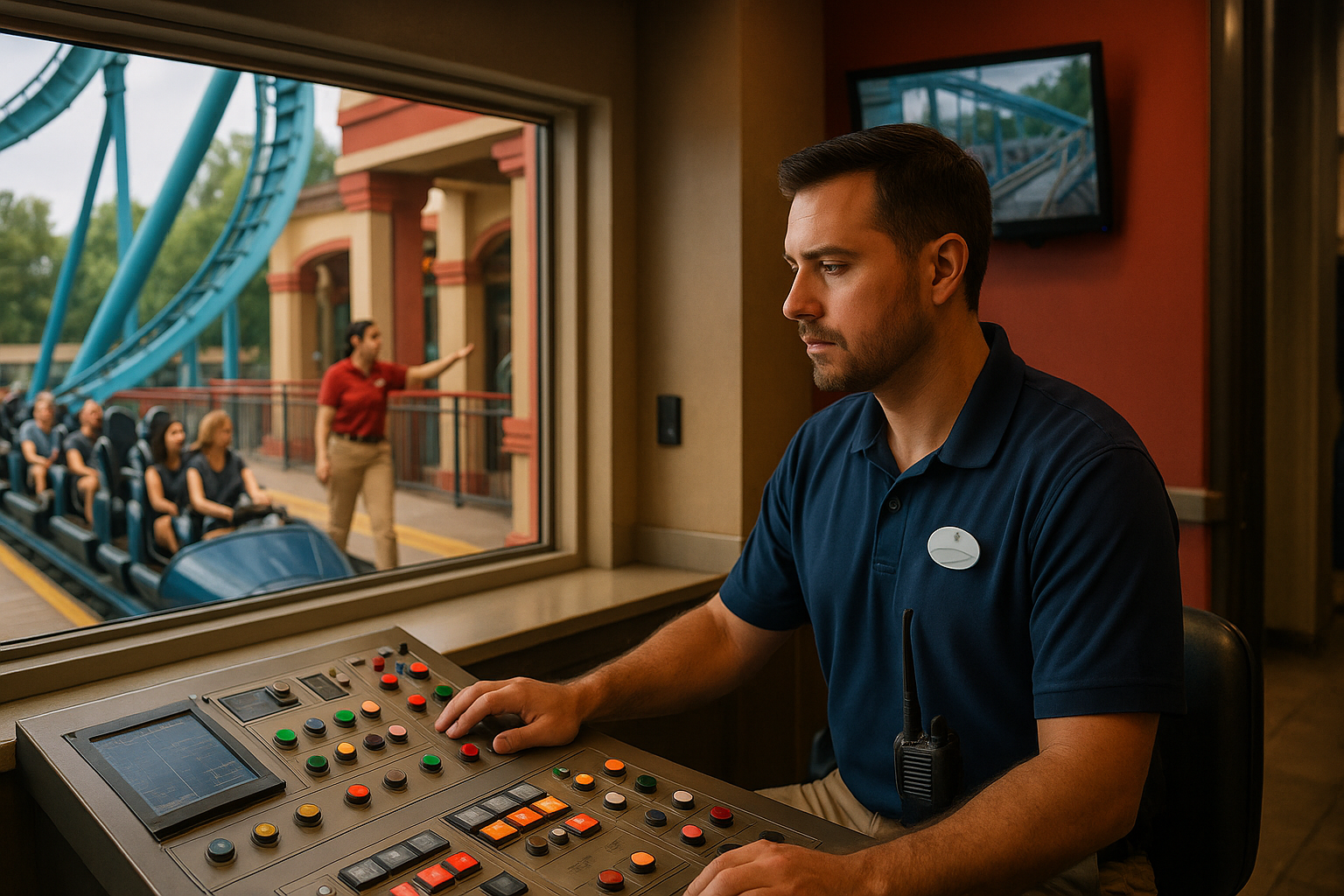
Behind-the-scenes roles are positions that support the guest experience without always interacting directly with park visitors. Some are based in offices, workshops, control rooms, warehouses, rehearsal spaces, or restricted operational areas.
Examples may include:
- Entertainment operations: Scheduling performers, coordinating rehearsals, supporting costumes, or assisting with show logistics.
- Event operations: Helping organize seasonal celebrations, special events, conferences, and private functions.
- Technical production: Supporting lighting, audio, video, show control, stage systems, or special effects.
- Facilities and maintenance support: Coordinating work orders, inspections, inventory, vendors, or building systems.
- Workforce scheduling: Helping departments assign shifts and maintain coverage for daily operations.
- Accessibility services: Supporting programs, communications, and procedures that help guests navigate the park.
- Creative and planning teams: Assisting with design documentation, project coordination, research, or content development.
- Administrative and business support: Handling purchasing, data entry, documentation, training coordination, or department communications.
The exact job titles vary by employer. Disney, Universal, SeaWorld, Six Flags, regional amusement parks, museums, aquariums, and family entertainment centers may organize similar work under different department names. Search by function as well as by the phrase “theme park jobs.”
Match Your Existing Skills to Attractions Industry Work
You do not necessarily need previous theme park experience to pursue a behind-the-scenes position. Start by identifying what you already know how to do and connect it to the needs of an attractions operation.
Translate common experience into theme park value
- Office administration can transfer to scheduling, department coordination, purchasing, or event support.
- School productions or live events can demonstrate experience with backstage operations, technical equipment, run-of-show documents, or team communication.
- Warehouse, retail, or inventory work may relate to supply coordination, merchandise operations, or equipment tracking.
- Customer service can support accessibility services, event coordination, training, or departmental communications.
- Project management can apply to construction support, seasonal events, creative projects, or operational improvements.
- Technical training may be relevant to audio, electrical systems, networking, software support, maintenance planning, or show systems.
When reviewing job descriptions, look beyond the industry-specific wording. A requirement involving “daily operational coordination” may be similar to work you have already performed in another setting. Your application should explain that connection clearly instead of assuming the hiring team will make it for you.
Use Better Search Terms for Theme Park Careers
Searching only for “theme park jobs” can produce a narrow set of results. Expand your search using department names and transferable functions.
Try combinations such as:
- Theme park event coordinator
- Attractions operations coordinator
- Entertainment production assistant
- Theme park scheduling coordinator
- Park facilities administrator
- Show control technician
- Guest accessibility coordinator
- Amusement park project coordinator
- Theme park training coordinator
- Attractions industry maintenance planner
Also search the career pages of individual parks, resorts, water parks, zoos, aquariums, cruise lines, and entertainment venues. Skills used in one attractions environment can often apply across several types of employers.
Build Industry Knowledge Before You Apply
Behind-the-scenes employees still need to understand how their work affects guests and daily operations. A scheduling decision can influence wait times. A technical issue can affect a performance. A missing supply can delay a department. A documentation error can create confusion during a busy operating day.
Research the basics of park operations, including opening procedures, guest flow, entertainment schedules, seasonal events, safety culture, and cross-department communication. Visit attractions when possible and observe how different teams contribute to the experience. You do not need to pretend to know every internal process. Showing curiosity and operational awareness can make your background easier to understand.
Network with the Departments You Want to Join
Networking can be especially useful when you are pursuing roles that guests rarely see. Connect with professionals in entertainment operations, technical production, facilities, event planning, or other departments through industry groups and professional communities.
Ask informed questions rather than immediately asking for a job. For example:
- What does a typical operating day look like for your department?
- Which skills helped you move into attractions work?
- What types of entry-level roles provide useful experience?
- Which industry terms should someone new to the field understand?
Keep track of the advice you receive and use it to improve your search. A professional connection may not lead directly to an opening, but a thoughtful conversation can help you identify departments, job titles, and skills you had not considered.
Show That You Understand the Guest Experience
Even if the role is primarily administrative or technical, connect your work to the park’s purpose. Explain how you would support reliable operations, effective teamwork, memorable entertainment, accessible experiences, or a smooth visit for guests.
That perspective helps distinguish an applicant who simply wants to work at a theme park from someone who understands how every department contributes to the attraction. Use specific examples from school, volunteer work, events, previous employment, or personal projects to demonstrate organization, follow-through, and collaboration.
Find Your Next Connection Through Theme Park Connections
Exploring behind-the-scenes theme park jobs is easier when you can learn from people already working across the attractions industry. ThemeParkConnections.com helps aspiring and experienced professionals connect with industry peers, share career experiences, discover different paths, and build relationships across theme parks and attractions.
Join the community to expand your network, learn about lesser-known roles, and take the next step toward a theme park career that fits your skills.