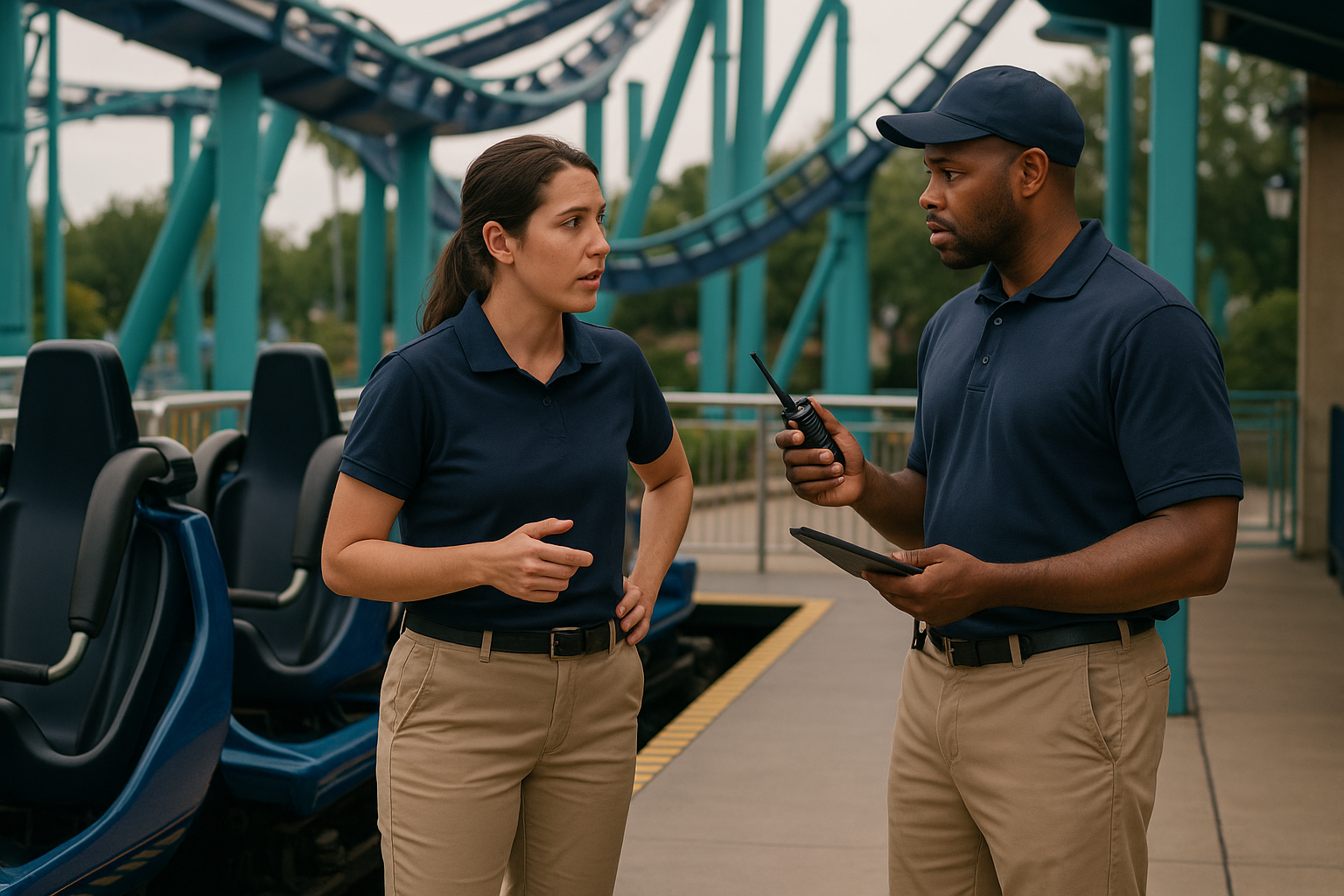
The Shift Handoff Is More Than a Status Update
A strong shift handoff can prevent a minor issue from becoming an operational problem. A weak one can leave the next team guessing about what happened, what still needs attention, and which details could affect guests or employees.
In a theme park, information moves constantly. An attraction experiences an intermittent fault, a restaurant runs low on a key ingredient, a hotel receives a late accessibility request, or an entertainment venue discovers a technical issue before the next performance. The employee ending a shift may understand the full situation, but the employee taking over only has a few minutes to absorb it.
That is why an effective shift handoff should be treated as an operational tool—not a casual conversation at the end of the day.
What Makes a Shift Handoff Effective?
A useful handoff gives the next person enough context to make good decisions without forcing them to reconstruct the entire shift. It should answer five basic questions:
- What happened?
- What is still in progress?
- What needs to happen next?
- Who has already been notified?
- What could become a problem if it is ignored?
The goal is not to report every event from the day. The goal is to transfer responsibility clearly.
For example, “The attraction had a delay earlier” is not enough information. A better handoff might explain that the attraction experienced two sensor-related interruptions, maintenance was contacted, the attraction returned to operation, and the team should monitor the same area during the next operating cycle.
The second version gives the incoming employee a starting point and identifies what still matters.
Separate Completed Issues From Open Issues
One of the most common handoff mistakes is treating every event as though it has the same status. Some issues are completely resolved. Others are temporarily stable but still require attention. A few may be waiting on another department.
Use clear status language
When discussing an issue, identify which of these categories best describes it:
- Resolved: The issue has been addressed and no further action is expected.
- Monitoring: The immediate problem is under control, but the team should watch for a repeat.
- Pending: Someone else must complete the next step.
- Escalated: A supervisor, maintenance team, manager, or another department has been notified.
- Recurring: The issue has happened more than once and may require additional attention.
These distinctions prevent the incoming team from either overreacting to an old issue or overlooking an active one.
Consider a merchandise stockroom that is missing a high-demand item. If the delivery is scheduled and the department has already been informed, the issue is pending. If no delivery has been confirmed and guests are already asking for the item, the situation may require escalation. Those two situations call for different next steps.
Prioritize Information Instead of Listing Everything
Handoffs often fail because employees try to remember every detail in the order it happened. That can bury the most important information under minor updates.
A better approach is to organize the handoff by priority:
- Immediate operational or safety concerns
- Guest-impacting issues
- Tasks with deadlines
- Items requiring follow-up
- General notes
If a parade route has changed because of weather, that should be discussed before a routine supply request. If a hotel room requires follow-up from engineering before a guest can be relocated, that should be highlighted before less urgent housekeeping updates.
Prioritizing does not mean ignoring smaller details. It means helping the next person understand what deserves attention first.
Include the “Why,” Not Just the “What”
Employees sometimes pass along instructions without explaining the reason behind them. That can create confusion, especially when circumstances change.
“Keep this queue entrance closed” is less useful than “Keep this queue entrance closed until the flooring is dry; guests are being directed to the alternate entrance.” The second explanation helps the incoming employee respond appropriately if the situation changes or if a guest asks a question.
Context also helps employees avoid repeating work. If a guest concern has already been addressed by Guest Services, the next team should know what commitment was made and whether any follow-up is expected. If a technician has already inspected a piece of equipment, the incoming team should know whether the inspection resolved the concern or simply ruled out one possible cause.
Use Names and Ownership Carefully
“Someone from maintenance is checking it” creates uncertainty. A stronger handoff identifies the department, the person or role contacted when appropriate, and the expected next step.
For example:
- “Facilities was contacted about the leak near the back entrance.”
- “The closing supervisor is waiting for confirmation before reopening the area.”
- “The event coordinator has the updated performance schedule.”
Employees should avoid promising outcomes they cannot control. Saying “maintenance will fix it soon” may create an expectation that cannot be guaranteed. It is more accurate to say that maintenance has been notified and the issue is awaiting assessment.
Clear ownership also makes it easier for the incoming team to know when to follow up instead of assuming that another person is handling the situation.
Make the Handoff Two-Way
A handoff should not be a speech delivered to a silent listener. The employee receiving the information should have an opportunity to ask questions, repeat critical details, and identify anything that may affect the next shift.
A brief confirmation can reveal gaps immediately:
“So the attraction is operating, but we are monitoring the same sensor and maintenance has already been contacted. If it faults again, we should follow the escalation process. Is that correct?”
This type of confirmation is especially useful during busy periods, when radio traffic, background noise, and interruptions make misunderstandings more likely.
If there is no time for a full face-to-face conversation, use the approved communication tools available at the location and make sure the most important information is documented according to local expectations. Written notes should support the conversation, not replace judgment or direct communication when an issue is urgent.
Handoffs During Peak Periods
Shift changes during holidays, special events, and high-attendance days can be particularly difficult. The outgoing team may be dealing with long lines, staffing changes, weather concerns, or multiple guest issues at once.
During these periods, keep the handoff focused on items that could affect the next operating window:
- Expected surges in attendance or guest demand
- Known staffing or break-coverage challenges
- Temporary closures or alternate operating plans
- Weather-related concerns
- Supplies, equipment, or technology that may become limiting factors
- Scheduled events or deadlines occurring during the next shift
It can help to prepare a short mental or written list before the shift ends. Waiting until the last minute increases the chance that an important detail will be forgotten.
Build a Reputation for Reliable Handoffs
Employees who consistently give accurate, organized handoffs become trusted across departments. Supervisors know they can leave an area with confidence. Coworkers spend less time searching for information. Problems are identified earlier, and guests receive more consistent service.
Strong handoffs also demonstrate skills that support career growth: prioritization, communication, accountability, situational awareness, and cross-department coordination. Those skills matter in nearly every theme park role, from attraction operations and food service to entertainment, hospitality, maintenance, and leadership.
The best handoff may only take a few minutes, but its effects can last through the entire next shift. A clear transfer of information protects operations, supports coworkers, and helps the next team begin with confidence.
Connect With Other Attractions Professionals
Every department develops its own communication habits, but many of the same challenges appear throughout the attractions industry. ThemeParkConnections.com gives theme park and attractions professionals a place to connect with others, expand their professional networks, share experiences, learn about different departments, discover career opportunities, and build relationships across the industry.
Those connections can offer valuable perspective—especially when you are looking for better ways to communicate, lead, or support the next shift.