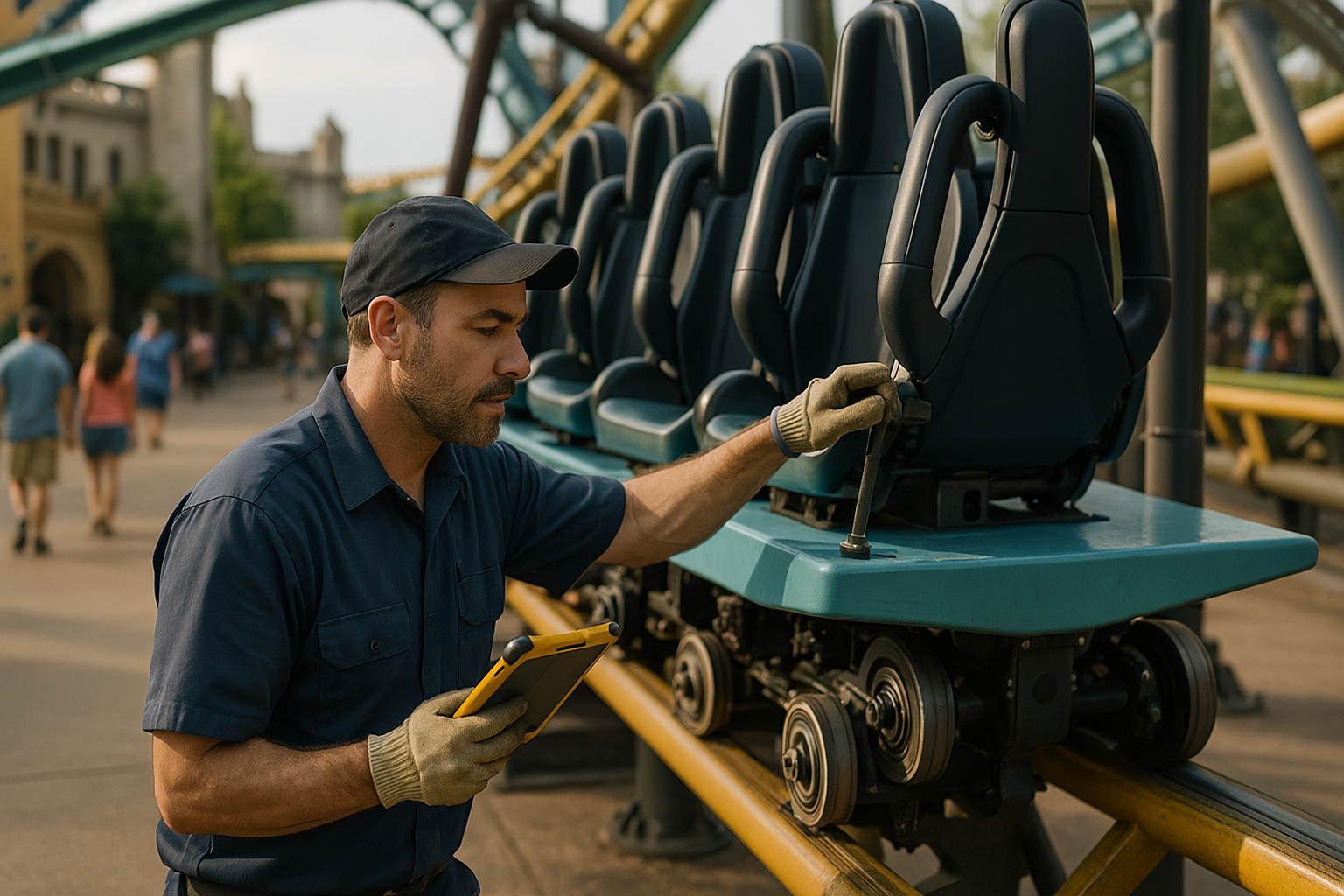
When Everything Cannot Be Fixed at Once: Prioritizing Maintenance Work During Park Operations
Theme park maintenance rarely happens in a quiet environment. A technician may be responding to a reported issue while a supervisor is asking about another work order, operations is waiting for an attraction update, and a facilities partner needs help with an unrelated problem. At the same time, the park is open and every decision can affect safety, guest experience, capacity, and the workload of the next shift.
That is why maintenance professionals need more than technical ability. They also need to know how to prioritize work orders during live park operations. The strongest technicians understand that the most urgent task is not always the loudest request or the newest message. It is the issue with the greatest operational, safety, or business impact.
Start With the Consequence, Not the Complaint
Two work orders may arrive minutes apart, but they should not automatically receive equal attention. A flickering light in a back-of-house hallway and a malfunction affecting an attraction’s operating system may both be valid reports, yet the potential consequences are very different.
Before deciding what to do next, ask questions such as:
- Does the issue create a potential safety concern?
- Is an attraction, restaurant, hotel area, or guest-facing service unable to operate?
- Could the problem become worse if it waits?
- Is the issue affecting a large number of guests or employees?
- Does it involve water, electricity, heat, smoke, structural damage, or another condition that may spread?
- Can the problem be contained temporarily while a higher-priority task is addressed?
This approach helps technicians separate urgency from visibility. A guest-facing problem may attract immediate attention because many people can see it, while a less visible issue may present a more serious operational risk.
A Practical Priority Framework for Park Maintenance
Every organization has its own systems, escalation paths, and leadership structure. However, a simple framework can help maintenance employees think clearly when several requests compete for attention.
1. Safety and Immediate Risk
Any condition that may endanger guests, employees, contractors, or performers deserves prompt attention through the appropriate reporting and escalation process. This can include exposed hazards, unusual equipment behavior, flooding near electrical components, damaged guest pathways, or conditions that may change quickly.
Employees should not attempt work beyond their training or authorization simply because a situation is urgent. Good prioritization includes knowing when to secure an area, notify the proper leader, request a specialist, or wait for direction.
2. Operational Impact
The next consideration is whether the issue prevents a department from performing its essential function. A ride that cannot operate, a kitchen system that affects food production, or a hotel utility problem may require a faster response than a cosmetic repair.
Operational impact is not determined only by whether something is completely shut down. Reduced capacity, repeated interruptions, unreliable equipment, or a problem affecting employee access can also influence the priority.
3. Guest Experience and Visibility
Maintenance teams support the guest experience even when their work happens behind the scenes. Broken lighting, leaking fixtures, damaged surfaces, loud mechanical noise, or malfunctioning comfort systems can change how guests perceive an entire area.
Guest-facing issues should be assessed carefully, but visibility should not override safety or operational risk. A highly visible repair may be scheduled after a less noticeable issue if the hidden problem could cause greater damage or disruption.
4. Preventing Escalation
Some problems are manageable now but may become expensive or disruptive if ignored. A small leak, unusual vibration, overheating component, or recurring electrical fault may indicate a developing failure.
Experienced technicians learn to recognize when a “minor” issue deserves attention because it has a pattern behind it. Reviewing previous work orders, asking operations whether the problem has happened before, and documenting symptoms accurately can help identify repeat failures.
The Information Behind the Work Order Matters
A vague request makes prioritization harder. “The ride is acting weird” does not give a technician or leader enough information to make a sound decision. A useful report should describe what was observed, where it happened, when it began, and whether the condition is still occurring.
When receiving or creating a maintenance request, try to capture:
- The exact location or equipment involved
- The time the issue was first noticed
- What happened immediately before the problem appeared
- Whether the issue is constant, intermittent, or isolated
- Any unusual sound, smell, heat, movement, or visual condition
- Whether guests or employees are currently affected
- What action, if any, has already been taken
Clear information reduces unnecessary trips, prevents duplicate troubleshooting, and gives the next person a better starting point. It also helps leadership make decisions when the technician who first observed the issue is no longer available.
Communicating Priorities Across Departments
Maintenance decisions often affect operations, food and beverage, entertainment, hospitality, retail, and guest services. A technical issue may be easy for a technician to understand but confusing to someone waiting for an attraction to reopen or a guest area to be restored.
Strong communication does not require a long explanation. It requires the right information delivered to the right people.
Useful updates often include:
- What is known so far
- What remains unknown
- Whether the area or equipment is available for use
- What temporary limitations are in place
- What type of assistance is needed
- When the next update will be provided
Avoid promising an exact completion time before the problem is understood. Instead, provide a realistic update window or explain what milestone must be reached before a better estimate is possible. Honest communication protects trust between departments.
Managing Competing Requests Without Losing Focus
During peak operating periods, it is common to receive several calls while already working on another issue. Stopping repeatedly can increase the chance of missed details, incomplete documentation, or an avoidable mistake.
If a new request comes in, acknowledge it and gather enough information to determine its priority. If it is not more urgent than the current task, record it properly and communicate when it can be addressed. If it is more urgent, make sure the current work is left in a safe and understandable condition before moving on, following department expectations.
When possible, maintenance leaders can improve response time by assigning work according to skill set and location. A technician already working near the reported issue may be able to assess it quickly, while a specialized repair may require someone with different training.
Documentation Is Part of the Repair
Closing a work order is not only about stating that a part was replaced or equipment returned to service. Future technicians need to understand what was found, what was done, and whether anything should be monitored.
Useful documentation can include:
- The observed symptom and confirmed cause, if known
- Parts, tools, or adjustments used
- Temporary measures or restrictions
- Follow-up work that remains open
- Conditions that should be watched during later inspections
- Any communication made to operations or leadership
Accurate records create institutional knowledge. They can reveal recurring failures, support preventive maintenance planning, and help newer employees learn how equipment behaves over time.
Prioritization Is a Career Skill
Technicians who can prioritize effectively become valuable partners to the entire operation. They are better prepared to lead a response, coordinate with other departments, train new employees, and explain technical situations in practical terms.
If you want to strengthen this skill, pay attention during shift meetings and post-incident discussions. Notice which factors influenced the final decision. Ask experienced team members how they distinguish a routine repair from a developing operational risk. Review completed work orders and look for patterns instead of treating each request as an isolated event.
The goal is not to work faster at all costs. The goal is to make sound decisions, protect people and equipment, reduce disruption, and leave the next shift with useful information.
For people building careers in theme park maintenance, engineering, facilities, and operations, those habits can be just as important as technical knowledge. ThemeParkConnections.com offers professionals throughout the attractions industry a place to connect with peers, share experiences, learn about different departments, discover career opportunities, and build relationships across the industry. The next useful lesson in maintenance may come from someone working in a completely different type of attraction.